
A targeted intervention before departure
The vessel needed an onboard intervention involving two deck cranes. Its instruction was to move hydraulic equipment from Crane No. 1 to Crane No. 4 so that the receiving crane could be lowered and rested and the hatch cover closed.
SVC Marine arranged a hydraulic technician and supporting manpower for the attendance. The scope brought together the mechanical transfer, the onboard connections, equipment handling and assistance to the vessel's engineers during operational testing.
The hydraulic equipment and transfer scope
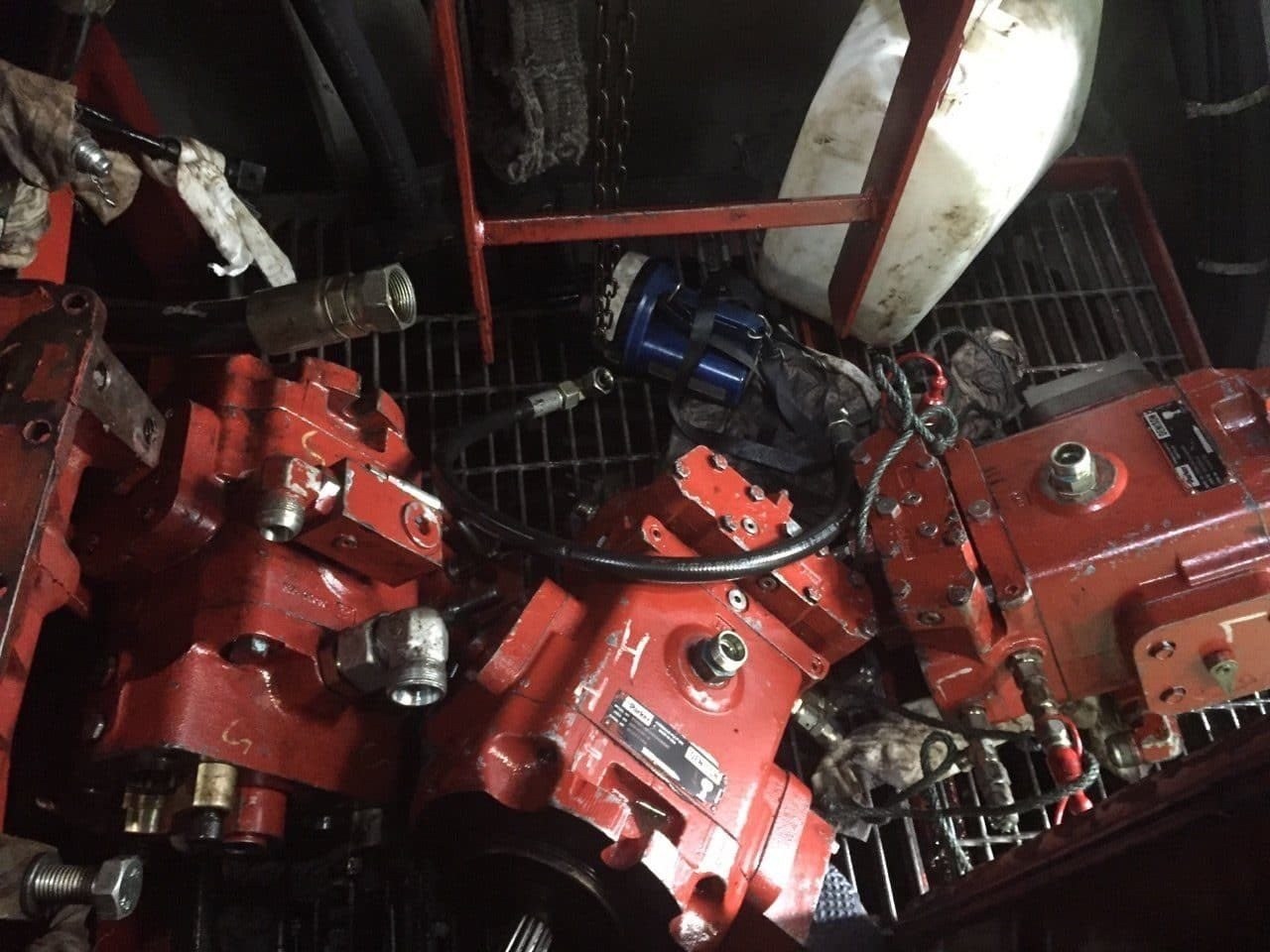
The agreed work covered dismantling the hydraulic pump, hoisting motor and associated oil tank/equipment from the donor crane, transferring them to the receiving crane and installing and connecting the equipment there. This was a defined one-way intervention between the two cranes.
The immediate operating objective was to help the vessel's engineers lower and rest the Crane No. 4 jib and close the hatch cover. A temporary transfer for that purpose has a different scope from a complete crane overhaul or a return transfer to the donor crane.
- Removal of the hydraulic pump, hoisting motor and associated equipment from Crane No. 1
- Transfer, installation and connection on Crane No. 4
- Assistance to the vessel's engineers with the agreed operational testing
Onboard access, handling and coordination
The attendance arrangements included transport for the technicians, tools and equipment by a suitable support vessel with lifting facilities. Boarding and local port-entry arrangements formed part of the same scope.
Onboard coordination mattered because the hydraulic technician's work and the crew's preparations had to fit the vessel's departure window. Access to both cranes, hydraulic isolation, the working area and lifting arrangements needed to be settled together.
Defining a similar deck crane attendance
Send SVC Marine the crane maker and model, the affected function, the symptoms and the port or anchorage. Where a component transfer is proposed, identify the donor and receiving cranes and provide the relevant pump, motor and connection details.
Photographs of the machinery, connection points and access route help define the attendance. State the vessel's ETA, sailing window, available lifting arrangements and the operational check required with the ship's engineers.
- Crane maker/model, equipment identification and defect description
- Pump and motor details, connection photographs and relevant drawings
- Port or anchorage, ETA and available working window
- Access, isolation, lifting arrangements and the agreed operational objective
Deck crane and hydraulic repair enquiries
For onboard hydraulic or deck crane attendance at Vietnamese ports, contact [email protected] with the defect details and vessel schedule. SVC Marine can prepare a scope covering the technical personnel, tools, transport and onboard coordination needed for the enquiry.