EN

Home / Services / Afloat Ship Repair

Onboard repair

Afloat Ship Repair in Vietnam

SVC pipe fitters, welders, mechanics and electricians board vessels in Vietnam, inspect the reported fault, repair the agreed item and record what was tested or remains open.

Find repair by port

Send the fault details

  • Port, berth or anchorage
  • ETA / ETD and working window
  • Failed equipment, symptoms and photos
Equipment particulars and reports
  • Equipment maker and model, if known
  • Existing inspection or service report

Attendance and scope are confirmed against vessel access, permits, safety conditions, materials and team availability.

01

Start with the fault and the vessel’s working window

Send the affected equipment, symptom, photographs, port or anchorage, ETA/ETD and the time the equipment must be available again. SVC examines the report, asks for drawings, dimensions and component references where needed, and sets out the onboard inspection and repair steps. A verbal description alone is rarely enough to choose the right material or tools.

Our team goes aboard to inspect the nominated area, confirm safe access and isolation with the vessel team, measure the repair and compare the findings with the worklist. If the actual damage differs, we record the changed scope and ask for approval before carrying out additional work. The quotation distinguishes inspection, workshop preparation, parts, onboard labour and agreed checks.

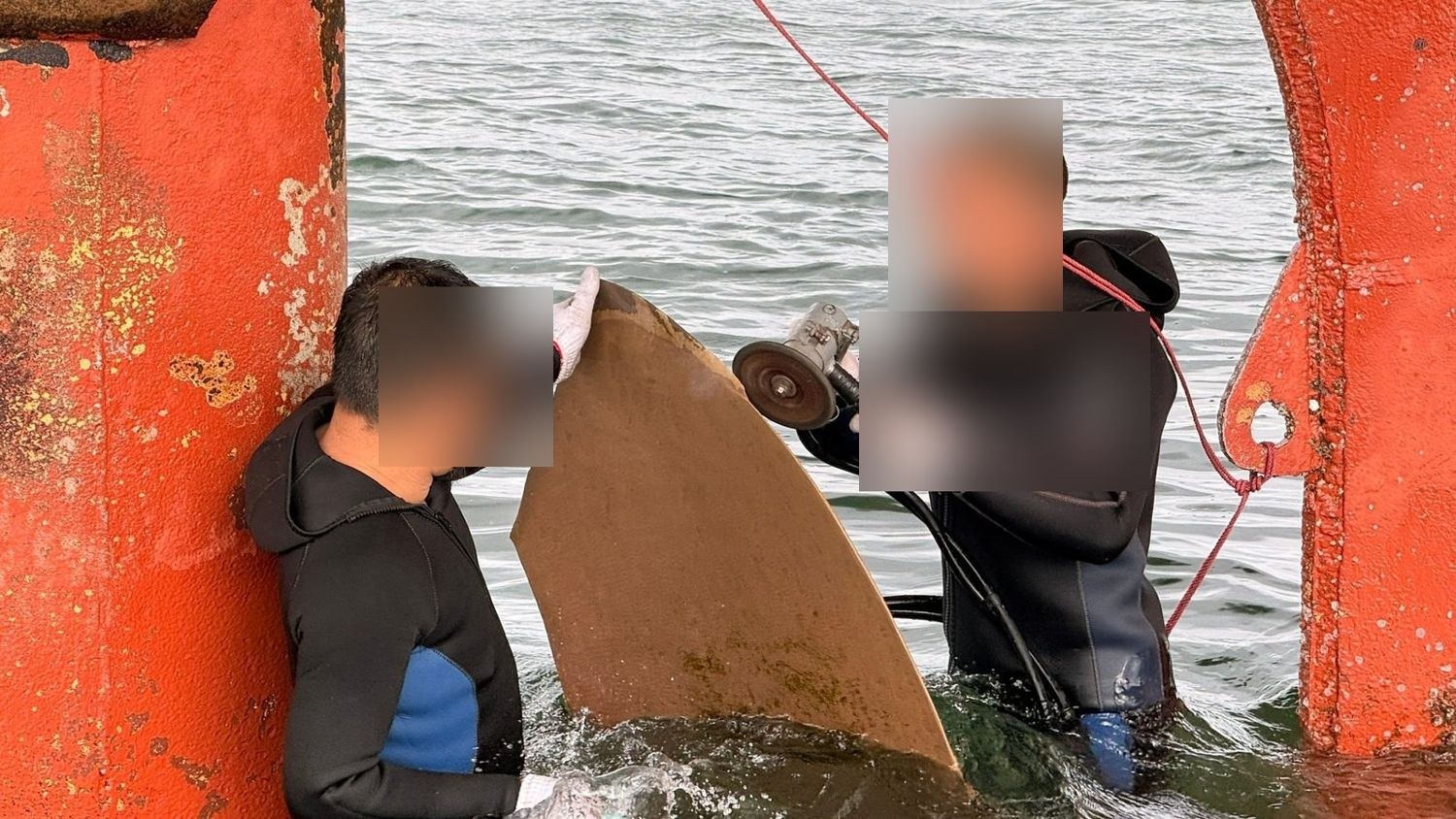
Divers grinding a damaged propeller blade before weld repair, vessel trimmed by the head
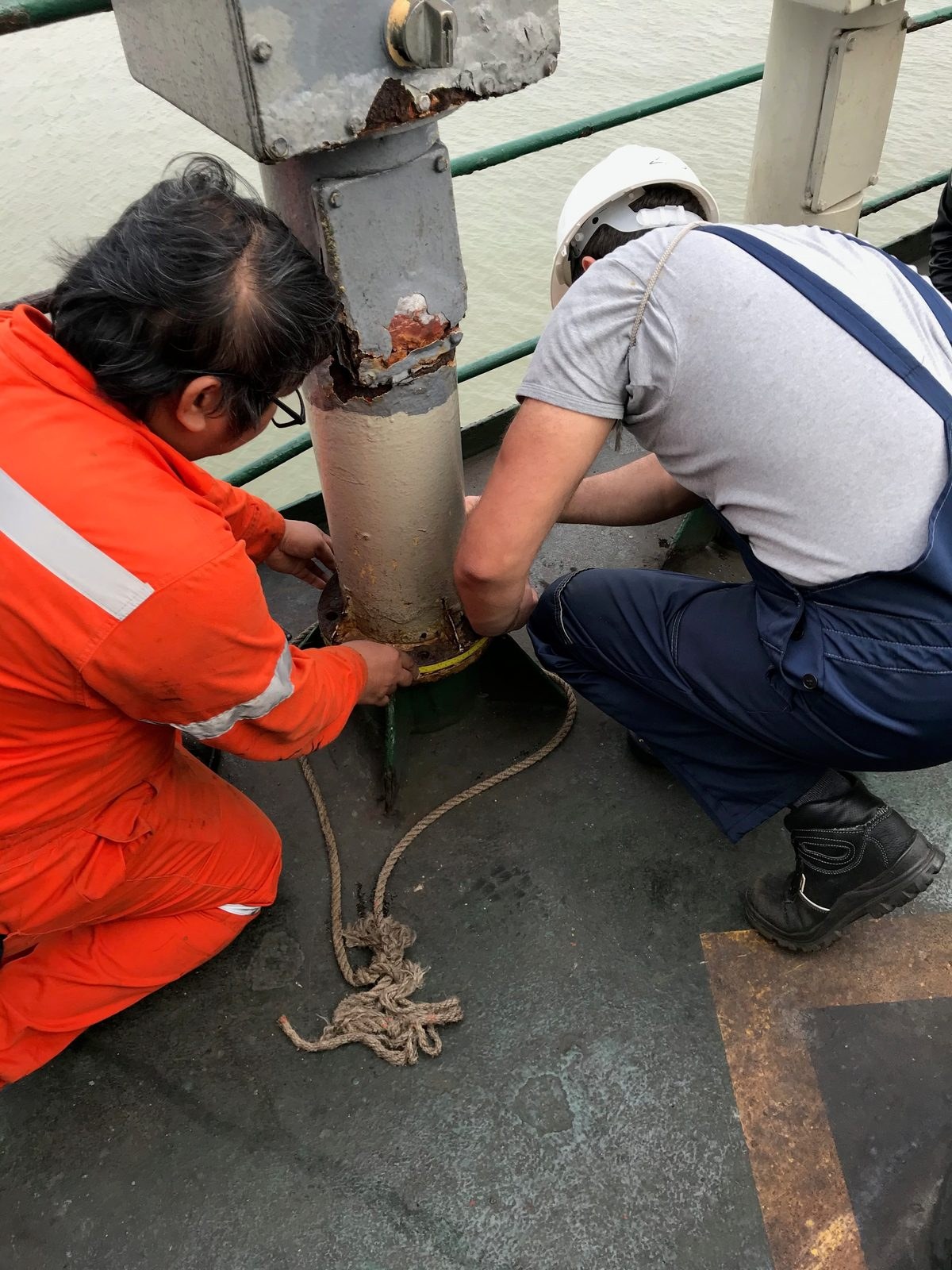
Two technicians working at the base flange of deck equipment
Onboard work at a deck equipment flange.
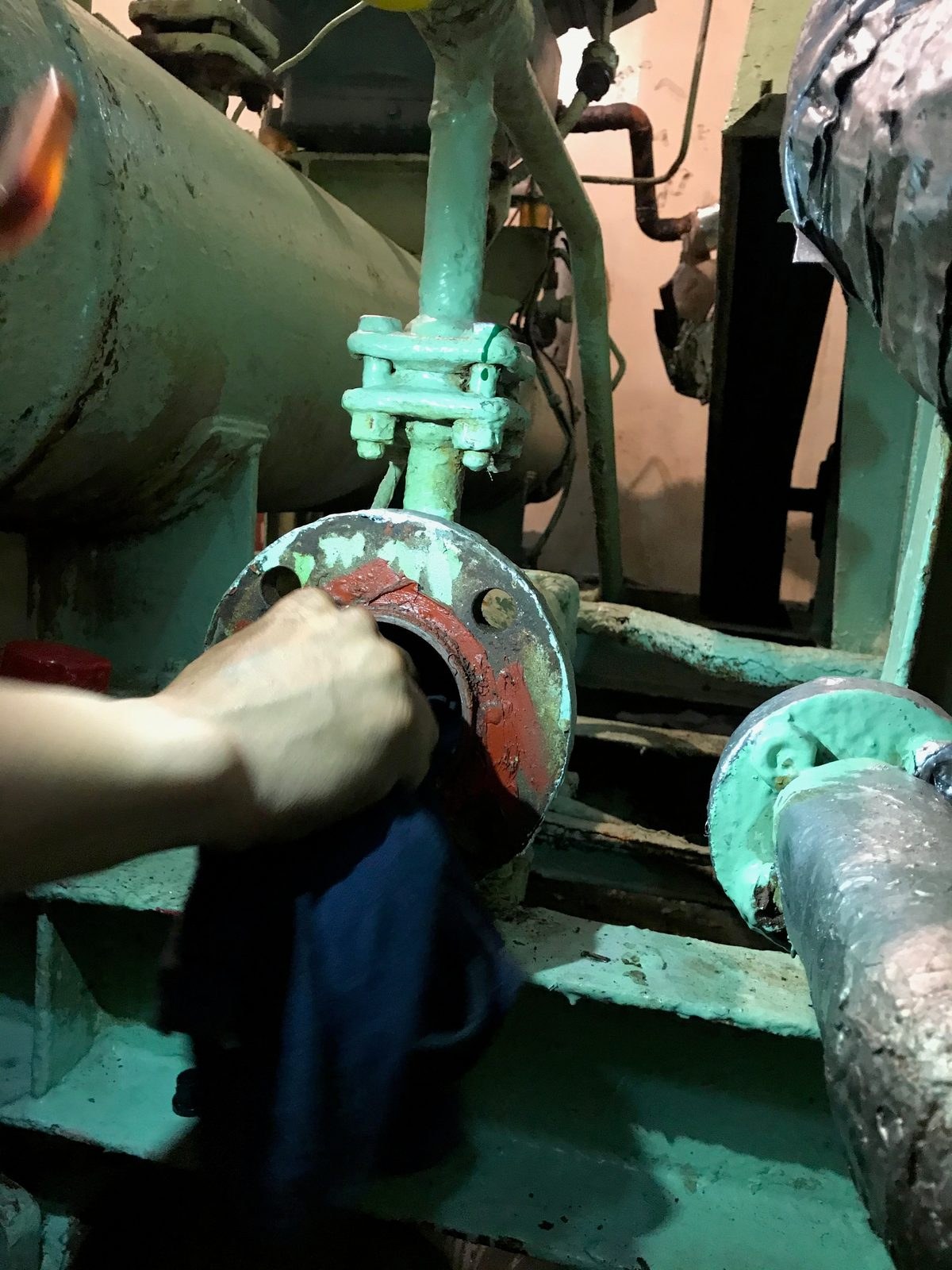
Technician working at an open pipe flange aboard a vessel
Onboard pipework maintenance.

02

Where the repair can take place

The same defect needs a different method at berth, anchorage, during cargo work or in a yard. SVC plans boarding, material movement and the repair sequence around the actual berth or anchorage and the vessel’s work permit system.

At berth

Our workers board through the permitted access, inspect and repair the appointed pipework, steel, valve, machinery, electrical or deck item. The berth plan must allow safe working space, isolation and any lifting or hot-work permission. Send the agent contact, berth, ETA/ETD, photos and the affected system before arrival.

At anchorage

SVC first checks launch access, weather, sea condition, permission to board and safe transfer of people, tools and material. Suitable afloat work can include measurement, selected mechanical or electrical repairs, small component replacement and an agreed temporary measure. A repair requiring heavy lifting, extensive hot work or workshop equipment may need a berth or yard instead.

During cargo operations

We separate the work area from loading or discharge activity and check terminal rules, cargo-area access, vessel isolation and simultaneous-work risks. Measurement, component preparation and selected non-hot-work repairs may fit an idle period; welding or work near cargo cannot be assumed permissible. The cargo plan and responsible vessel contact must be available before the worklist is fixed.

Before sailing or during an urgent port stay

SVC identifies the items that can realistically be inspected and repaired within the remaining window, the checks needed before handover, and work that must remain open. If a defect affects sailing, class or statutory requirements, the owner, master and relevant authority decide whether the vessel may proceed. We do not promise completion before departure without seeing the fault, parts, access and time.

03

Pipework, leakage and valve repair

Our pipe fitters locate the reported leak, inspect the affected run and measure the spool, flange or connection. The worklist can cover isolation, removal, fabrication or renewal of pipe sections, gasket and flange work, refitting and the agreed leak or function check. We identify the line service and material before cutting: ballast, cooling water, fuel, lubricating oil and hydraulic lines do not share one repair method.

Where a replacement spool needs workshop work, SVC records dimensions and mating connections, prepares the part at Vung Ang where appropriate, then plans transport, installation and handover. The vessel supplies the necessary system drawings, operating condition and isolation arrangement; the final test method is agreed for the actual system.

04

Steel, welding and deck fittings

SVC welders inspect the nominated deck steel, bracket, ladder, railing, platform, pipe mounting bracket, small foundation or hatch-cover area. We measure the damaged portion, identify the repair boundary and material requirement, then prepare cutting, fit-up, welding and inspection steps for the commissioned scope. Hot work starts only after the vessel and port permit, fire precautions, isolation and safe access are in place.

For a class-related steel item, the repair area and inspection hold points are agreed with the owner and attending surveyor. SVC performs and records its work; class, flag or authority acceptance remains with the body responsible for it. A photo of apparent damage is not a substitute for thickness, access or structural information when those are needed.

05

Machinery, hydraulics, electrical and deck equipment

Our mechanics examine the reported pump, valve, cooler, filter, compressor or auxiliary-machine fault and agree whether the component needs onboard repair, overhaul or removal for workshop work. They record the condition found, parts changed and the agreed running or function check. The vessel should identify the maker/model, symptoms, operating history and available spares.

For a hydraulic leak or loss of movement, SVC checks the nominated hose, fitting, actuator, cylinder or deck-machine circuit before replacing agreed parts and checking leakage and movement. Our electricians inspect the specified circuit, repair or pull the appointed cable where the route and isolation allow, examine connections, motors, panels, alarms and sensors, then record the fault and checks. BWMS/BWTS electrical faults can be reviewed only against the equipment, authorised scope and available technical information. The repair plan also covers appointed hatch-cover, crane, winch, windlass and accommodation-ladder items where the actual equipment, access and competence match the job.

Pipe and mechanical systems

  • Pumps, valves, coolers, filters and nominated auxiliary machinery
  • Removal, workshop repair and refitting when the scope requires it
  • Parts fitted, observations and agreed function checks

Electrical and controls

  • Specified cable repair or pulling, connections, motors, panels, alarms and sensors
  • Safe isolation and fault finding with the vessel team
  • Recorded test or function result for the commissioned circuit

Deck equipment and hydraulics

  • Hatch cover, crane, winch, windlass and ladder repair items
  • Hydraulic hose, fitting, cylinder or actuator work
  • Leak and movement checks for the repaired item

06

Workshop preparation and material control

SVC prepares pipe spools, small steel parts, brackets, mounting pieces, tools and consumables at Vung Ang when the work calls for fabrication off the vessel. We compare dimensions, material grade, connection details and spare-part status before dispatch. This avoids sending a team to a berth with a part that cannot be fitted.

The worklist states what is made at the workshop, what is fitted on board, what material the owner or vessel provides and which checks are included. Changes in dimensions, access or the condition found on board can change the part and time required; we report those changes before widening the work.

07

Ten constraints checked before the team boards

A repair often loses time before anyone touches the failed item. SVC checks the following points with the vessel and agent, then sets a sequence that fits the confirmed work window rather than a guessed sailing time.

Time and scope

  • Short stay: compare real repair and test duration with ETD.
  • Late or unclear defect report: request photos, dimensions and equipment references before dispatch.
  • Earlier ETD: separate completed work, safe temporary measures and work still open.

Materials and equipment

  • Wrong material or unmatched connection: verify grade, size, maker and spare status.
  • Missing tools or lifting arrangement: match the team and equipment to the actual worklist.
  • No safe working space: confirm access, isolation and cargo interference.

Permissions and attendance

  • Hot-work permit delay: agree permit responsibility and fire precautions before welding.
  • No launch boat or unsafe transfer: confirm anchorage boarding and material movement.
  • Class or surveyor not booked: agree witness and inspection points before closing the repair.
  • Crew information gap: identify the person who can confirm isolation, operation and test conditions.

08

Inspection, completion records and open work

SVC photographs and records the repaired area where permitted, the parts fitted, the work performed and the agreed test or function result. During a longer job we report progress, material status and any change to the working window; photographs or video can document the work where the vessel allows it. We give the vessel team and owner a clear list of items completed, any limitation found during the job and work that remains open. If the system could not be tested under operating conditions, the record says so instead of implying a passed trial.

For steel-renewal items SVC can record the repair boundary, measured thickness or UTM report supplied for the work, renewed area and inspection points agreed with the surveyor. Class-linked LSA, FFE, radio and 15ppm/OWS items require the right qualified or approved provider where applicable; SVC identifies that boundary in the worklist and performs only its appointed repair or preparation scope. Class, flag, insurer, port or approved-provider decisions remain with the relevant body. We prepare the area and records for the attending surveyor; we do not issue that body’s acceptance.

09

Vietnam ports and shipyards

SVC undertakes selected repair work at Vietnamese ports, anchorages and yards according to the job, available people, access and local permission. These locations describe possible enquiry areas, not a promise of permanent crew or immediate attendance at every berth.

See Hai Phong ship repair and Cam Pha ship repair.

See Vung Ang and Son Duong and Nghi Son.

See Cai Mep ship repair and Vung Tau ship repair.

Northern Vietnam

Hai Phong, Lach Huyen, Dinh Vu, Cai Lan, Hon Gai, Cam Pha, Quang Ninh anchorages and appointed northern yards.

Central Vietnam

Nghi Son, Cua Lo, Vung Ang, Son Duong, Hon La, Chan May, Da Nang, Dung Quat, Quy Nhon, Nha Trang and Van Phong.

Southern Vietnam

Ho Chi Minh port area, Cat Lai, Hiep Phuoc, Phu My, Cai Mep - Thi Vai, Vung Tau, Long An, Can Tho and appointed southern yards.

10

Send the repair worklist for a quotation

Email the repair team the vessel particulars, present or next port, ETA/ETD, berth or anchorage, defect list, symptoms, photographs or video, drawings, maker/model and component dimensions. State whether the vessel has isolated the system, whether spares are aboard, whether hot work, lifting or survey attendance is required, and when the repaired equipment must be available.

SVC separates onboard inspection, materials and fabrication, repair labour, transport and agreed checks in the proposed scope. For a planned yard stay, see drydock supervision; for submerged work, see underwater inspection and hull cleaning. The Vietnam ship repair port directory helps identify the vessel’s receiving port.

11

Ship repair in Vietnam: practical questions

What ship repair work can SVC Marine perform in Vietnam?

Our welders, pipe fitters, mechanics and electricians inspect and repair the commissioned pipe, steel, machinery, electrical, hydraulic or deck-equipment item. The actual scope depends on the fault, access, safety, parts, time and team availability.

Can SVC repair a vessel at berth?

Yes, for work that fits the berth access, isolation, permit, working space and agreed port window. Send the fault, berth, ETD, photographs and agent contact so the team can set out the worklist.

Can a repair be performed at anchorage?

Selected inspection and repair can be planned if launch transfer, weather, sea state, port permission and tool or material movement are safe. Some hot work, heavy lifting or workshop jobs require a berth or yard.

What can be done before a vessel sails?

SVC checks the reported fault and remaining window, identifies feasible inspection or repair, the necessary function checks and any open item. The master, owner and relevant authority determine whether the vessel may sail; no completion time is promised before the scope is examined.

Does the repair team handle pipe and steel work?

Yes. SVC pipe fitters can measure, fabricate and renew agreed pipe sections, flanges and gaskets; our welders carry out approved steel and fitting work after access, isolation and hot-work permissions are confirmed.

How are class-related repair items handled?

SVC prepares the repair area, performs the commissioned work and gives the owner and attending surveyor the repair record and agreed inspection evidence. Only the responsible class or authority can accept its own requirement.

What should be sent for a ship repair quotation?

Send vessel particulars, port or anchorage, ETA/ETD, the defect and affected equipment, clear photos or video, drawings or dimensions, spare status, required working deadline, permit and survey needs, and the vessel or agent contact. We can then define inspection, parts, labour and agreed tests.

Send the defect and worklist

Email the port and berth or anchorage, ETA/ETD, defect, worklist and photos. Include the work period and equipment access.