
A laid-up tanker that first had to leave the mud berth
The double-hull tanker had been idle at a mud berth near Hai Phong for close to three years. Bringing it back into a saleable condition required access, tug planning, inspection and a yard slot before the transaction could be completed.
SVC Marine mobilised the recovery operation and brought the vessel into the drydock programme. The practical problem was moving the tanker out of its berth at the right tide and getting the condition and repair work established.
Four tugs and a spring-tide window
SVC mobilised four tugboats and timed the release with the high water on a spring tide. The operation freed the tanker from the mud berth and moved it to drydock.
Inspection found the double-bottom steel remained sound, with no consequential damage recorded. This finding mattered to the repair scope: the vessel could enter the yard programme with its condition assessed, rather than the sale depending on an unchecked laid-up condition.
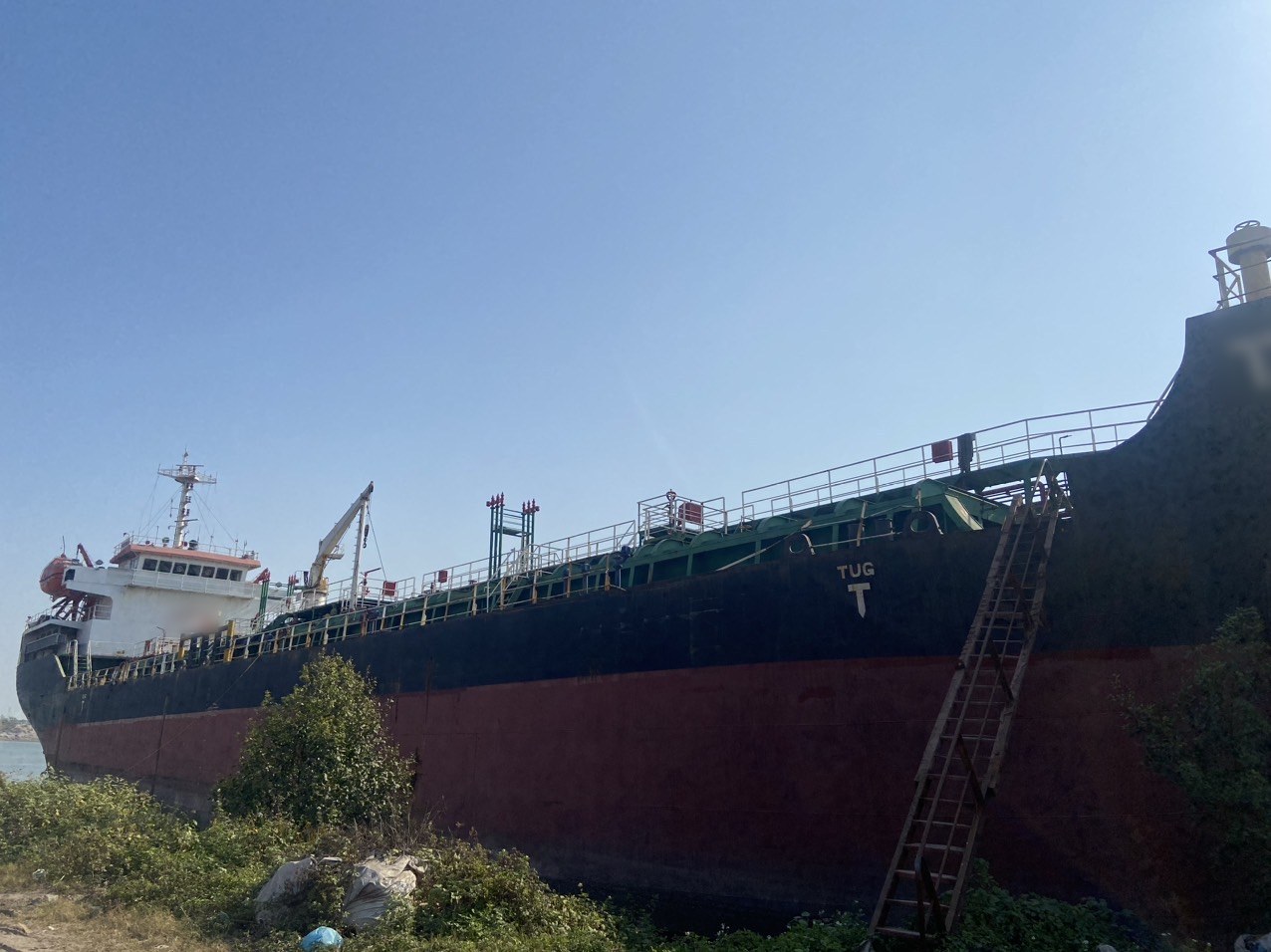
From extraction to drydock repairs
The drydock programme included overhaul work and completion of class items. SVC secured the yard access, inspected the vessel and managed the recovery and transaction work around the repair programme.
Recovery, surveys and yard scheduling had to fit the sale timetable. SVC completed the sale and the vessel was delivered in Vietnam.
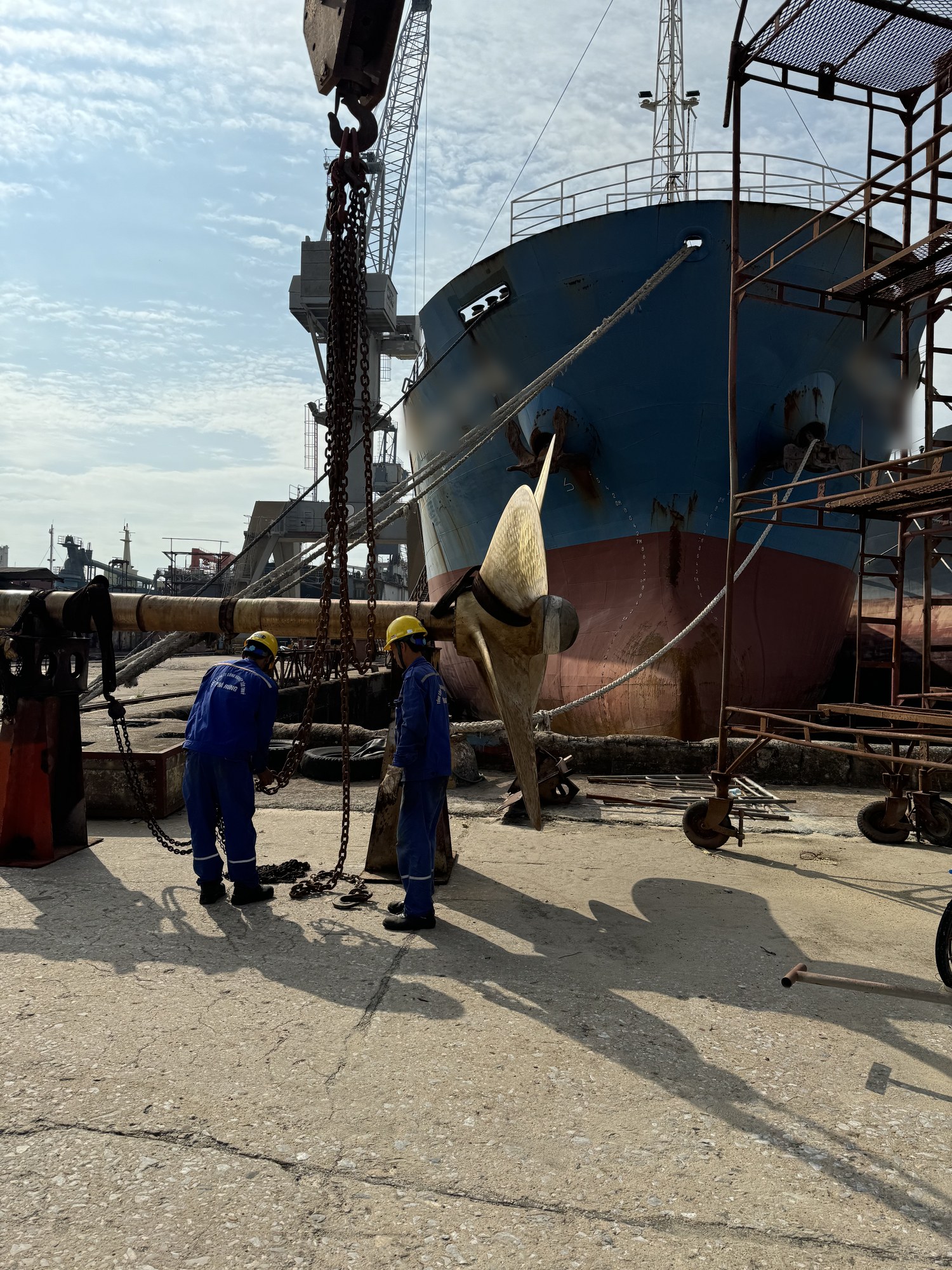
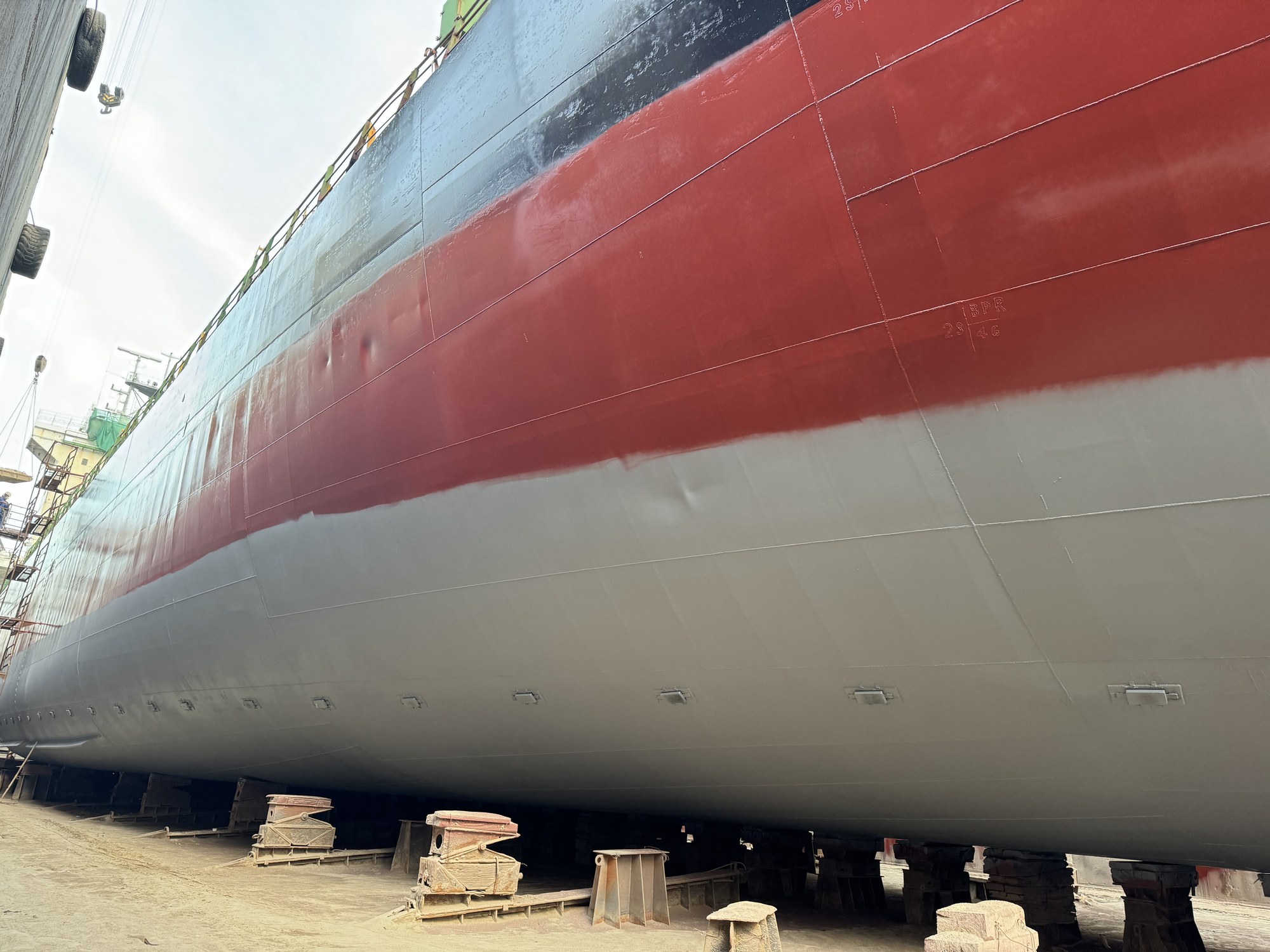
Selling a laid-up vessel in Vietnam
A laid-up sale needs a practical plan for access, inspection, recovery and the work required before delivery. For a new mandate, send the berth or anchorage position, length of lay-up, available condition records, known defects and intended delivery window.
SVC Marine inspects the agreed areas, prepares the worklist, negotiates the sale and counters MOA terms under the client’s mandate. Where required, our superintendent checks drydock work and our commissioned repair teams carry out the agreed repairs.
Explore completed vessel sales, transaction records and drydock supervision in Vietnam.