Ship Repair
Steel, machinery, piping and onboard technical work.
Request repairRepair services
Home / Vietnam port coverage / Vung Ang - Son Duong
SVC Marine · Ship Repair & Ship Supply
Published
Onboard repairs and vessel supplies for your port call. Send the berth or anchorage, ETA and your worklist or requisition to the relevant SVC team.
Find repair by portSteel, machinery, piping and onboard technical work.
Request repairRepair servicesProvisions, stores and technical spare parts for the vessel.
Request supplySupply servicesStart with the receiving location and vessel schedule, then send the requirement to the right team.
Port, terminal, berth or anchorage; ETA and ETD.
Defect, photographs and the available work window.
Items, quantities, units and preferred delivery date.
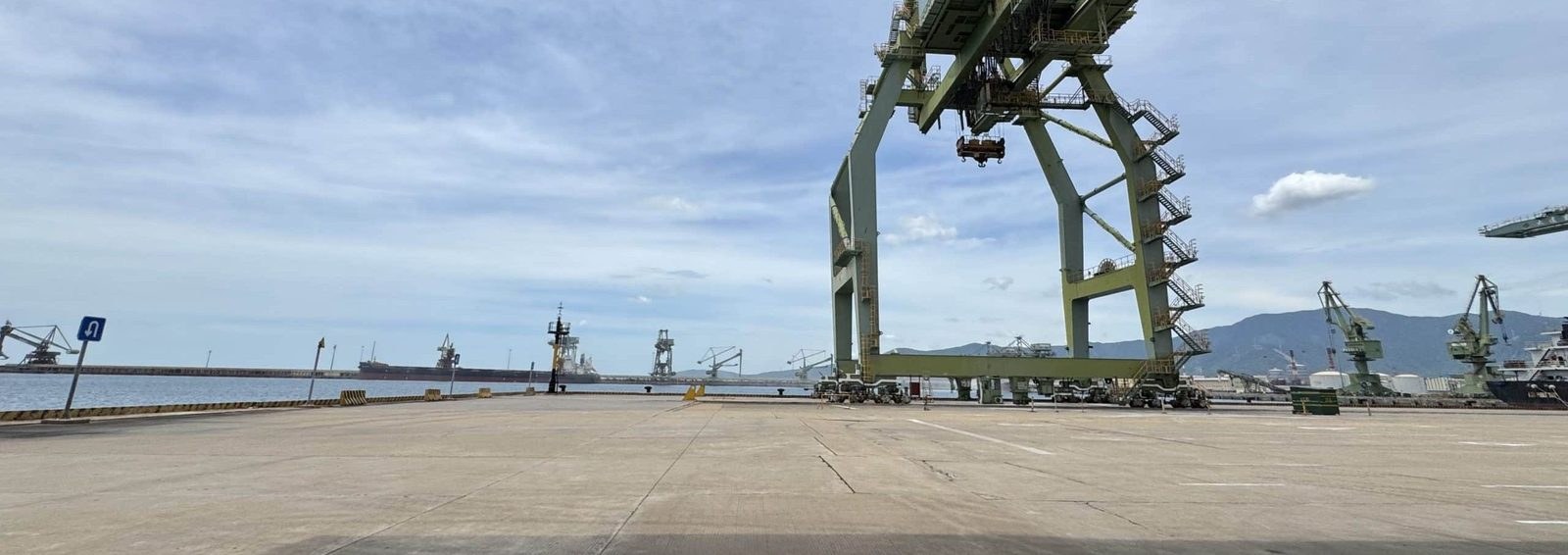
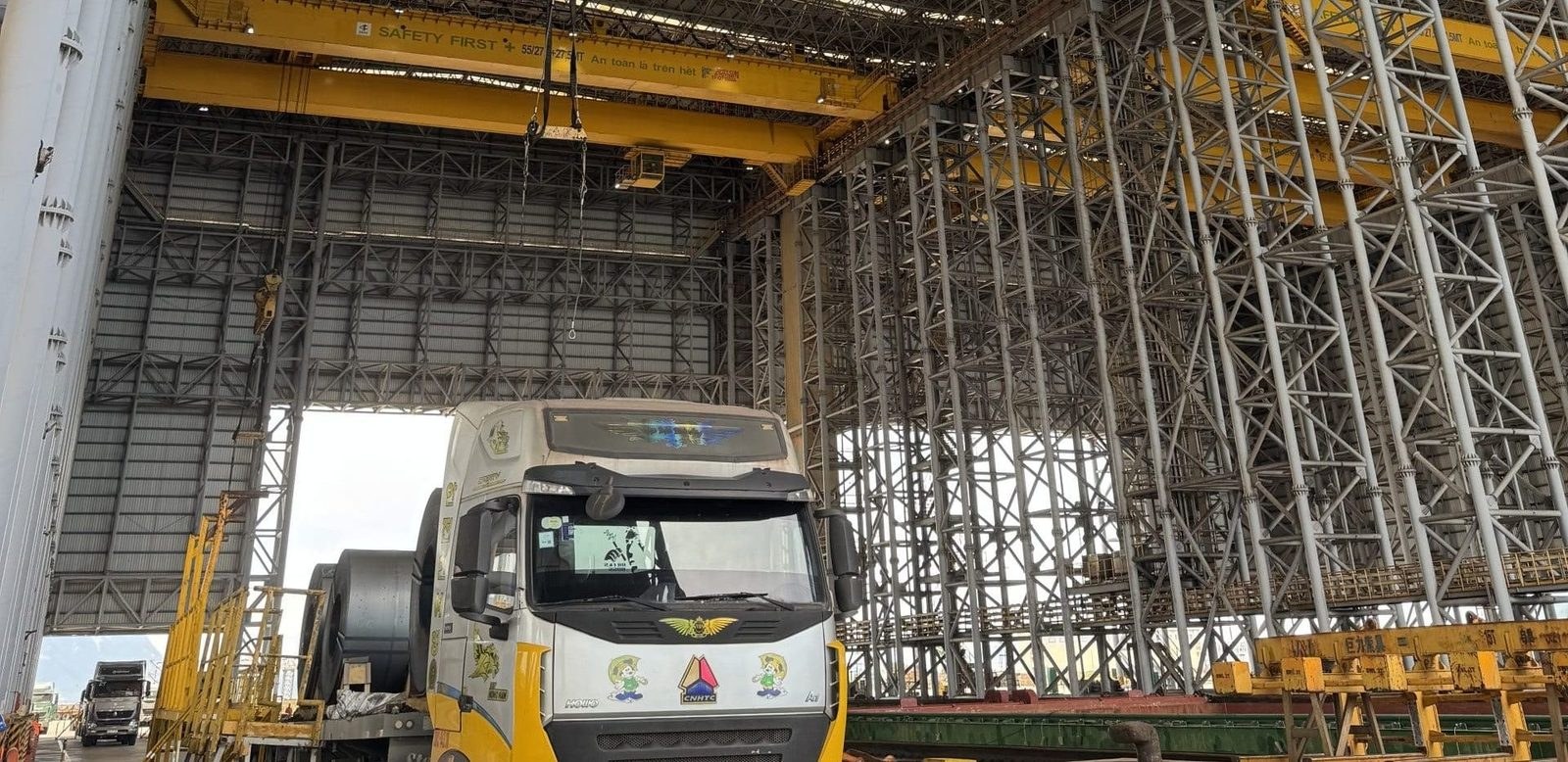
01
Vung Ang and Son Duong sit in the same Ha Tinh maritime area, but a berth at one is not an instruction to work at the other. Before SVC prices a repair, vessel supply or cargo attendance job, we identify the terminal, berth or anchorage, the vessel schedule and the actual receiving and access point. The port agent and terminal confirm their own permissions and operating conditions.
For the appointed scope, SVC sends the relevant repair, supply or cargo team to the agreed location. Our people inspect the vessel or cargo position, perform the work assigned to us and return a written work record. A general statement that a vessel is “at Vung Ang” cannot replace its berth, launch point, work window or permission to bring equipment aboard.
02
A broken compressor, pump, electrical circuit, pipe or deck machine needs a fault brief before anyone promises a repair window. SVC asks for the alarm sequence, maker and model, photographs, drawings, available spares, berth or anchorage and planned sailing time. Our repair officer defines the inspection and access sequence; the SVC team then isolates, opens, measures, repairs or replaces the agreed component and records the checks actually performed.
Hot work, work aloft, pressure systems, confined spaces and underwater work need their separate permits and safe conditions. If underwater inspection or hull cleaning is requested, the SVC diving team defines the approved dive scope against access, current, visibility and vessel movement; it is a separate task from machinery repair. If a fault needs workshop preparation, class attendance or a drydock period, we state that limitation in the worklist instead of describing an afloat fix as complete. Our handover gives the vessel the repair record, photographs and any observed remaining defect; class acceptance or statutory certification is not an SVC-issued result. See ship repair in Vietnam, underwater inspection and drydock supervision for the distinct scopes.
03
For provisions, stores or a hard-to-find machine part, SVC reads the requisition line by line: description, part or drawing number, quantity, unit, maker, substitute restrictions and required delivery date. Our supply team checks the available item and its documentation, quotes the agreed specification and delivers it at the receiving point authorised for that call.
A port name alone is not a delivery instruction. Send the vessel schedule, berth, agent, contact on board and any launch or gate requirements. We record what was delivered, any shortage or substitution agreed in advance and the vessel receiver’s acknowledgement. Marine spare parts and ship supply explain the broader requisition scope.
For the galley and bonded-stores requisition, use provisions at Vung Ang and Son Duong. For an onward Nghe An call, use Cua Lo ship chandling and provisions. Each guide keeps the food order, technical stores and actual receiving point identifiable.
04
Steel products, raw materials, general cargo, transit cargo, energy-related cargo and project equipment create different vessel-side tasks. The loading plan for steel coils is not a lifting plan for a transformer, and neither is a boiler or generator repair. SVC defines the commissioned work against the actual cargo, vessel and terminal rather than assuming every cargo or service is available at every berth.
The Vung Ang area also has industrial development plans. A planned factory or port project is context for a future cargo enquiry, not evidence that its goods have already moved or that SVC has completed a shipment. For a proposed EV component, factory equipment or steel-project movement, send the real packing and handling data; SVC can then assess the freight, port-captain, lashing or technical work requested.
05
When commissioned for loading or discharge, SVC goes to the vessel and cargo working area. Our port captain or surveyor checks the agreed cargo condition, hold and hatch access, loading sequence, stowage position and the visible handling method. We record exceptions with time and photographs instead of issuing a generic progress message.
For steel products, the worklist may include coil or bundle condition, dunnage and separation, contact with wet surfaces, lashing and securing points, gear and crane interface, tally differences and damage marks. For dry bulk or transit cargo, hatch readiness, draft or bunker survey, quantity basis and the handover point may be more important. The master, terminal, surveyor and cargo interest keep their own statutory or contractual decisions; SVC records the facts and carries out the scope appointed to us.
06
Vung Ang is a relevant sea gateway for transit cargo linked with Laos. A cross-border origin does not make the local cargo operation self-explanatory. The charterer or cargo owner should identify the inland handover, export/import document responsibilities, customs and agent interfaces, packaging, truck arrival plan and vessel loading terminal. Customs decisions remain with the customs authority, and carriage with the carrier.
Under an agreed mandate our team can check cargo readiness at the receiving point, attend vessel loading or discharge, record condition and quantities within the appointed survey method, and report any gap between the cargo list and what is physically presented. We quote the shipping or vessel-side assignment only after the cargo units, weights, dates and both ports are stated.
07
A planned industrial shipment may involve a heavy machine, transformer, steel structure, vehicle component, battery system or factory spare. SVC first reads the actual lift and transport documents. A marketing description of the industrial zone is not a substitute for unit dimensions, gross weight, centre of gravity, lifting points, transport frame and packing condition.
Where SVC is appointed for port captaincy or cargo securing, our team checks the lifting interface and intended stowage position with the responsible engineer and vessel party. Our lashing crew installs the specified dunnage, stoppers and restraints within the approved scope, then records the completed arrangement. Dangerous-goods or battery status must be declared by the cargo interest and is assessed under the applicable carrier and terminal rules. Our Dung Quat project-cargo lashing case shows SVC's lashing crew securing project cargo on a separate job in Quang Ngai.
08
Coal, fuel, liquid bulk, LPG and other energy-related calls can involve distinct terminals and permissions in the wider Ha Tinh area. The exact berth, cargo declaration, vessel system and terminal rules govern any work. SVC does not represent that a general-cargo berth can receive a specialised cargo or that our technicians can start hot work alongside a restricted operation.
For an authorised appointment SVC can attend the vessel, inspect a technical fault, deliver specified stores or spare parts to the agreed receiving point, or record a bunker or draft-survey scope. System isolation, access, work permit, fire control and witnessing requirements must be established before repair. The responsible terminal, master, class and authorities retain their own approvals.
09
An overseas principal needs an SVC person who can see the vessel and cargo operation. On an appointed call our representative boards or attends the permitted working area, checks the relevant work against the agreed instructions, challenges discrepancies on site and issues a dated report with photographs and outstanding items. This is more useful than forwarding an agent email without checking the physical job.
The report can include cargo readiness, crane or hatch issues, vendor attendance, work-permit status, repair progress, stores received, time events and items requiring the principal’s decision. A draft or bunker survey has its own measurement method and report. A port agent manages formalities under its appointment; class and statutory surveyors make their own acceptance decisions. See owner’s representation and marine technical superintendent work.
10
For a steel, breakbulk or project-cargo movement, SVC needs the real cargo list, origin and destination terminals, readiness date, proposed freight terms, lifting arrangement and the party responsible for loading, discharge and securing. We review vessel and cargo suitability and the operational constraints within the mandate given to us. We do not treat possible regional demand as an existing SVC fixture.
Under a shipping appointment our people inspect the cargo or loading site where required, check the presented units against the declared data, undertake the agreed port-captain or lashing work and keep the shipment file. The charterer, carrier, shipper and receiver still decide and sign their respective commercial documents. Related guides: shipping from Vung Ang, project-cargo shipping and cargo lashing.
11
For a fault, email [email protected] with the exact berth or anchorage, ETA, defect photographs, maker/model, available parts and the safe work window. For stores or spare parts, email [email protected] with the requisition, quantity, receiving point and required delivery date. For cargo attendance or shipping, identify the cargo, both terminals, laycan, survey or lashing scope and reporting requirement for the operations team.
SVC checks the actual location, permissions, personnel and materials against each requested job before confirming its scope. The Son Duong port guide and Vung Ang general-port guide help distinguish the port context; the confirmed agent/terminal instruction controls the particular call.
12
The Ha Tinh port area connects general and industrial cargo operations with vessel calls and transit cargo linked to Laos. That makes it relevant for steel, bulk, machinery, project equipment and vessel services. The actual job still depends on the named terminal, cargo, berth and appointed scope; a regional description does not confirm access or capacity for a particular shipment.
Steel products and raw materials can require hold, condition, tally and securing checks. General or Laos-transit cargo needs a clear handover and document boundary. Heavy equipment needs lifting drawings and stowage data. Fuel, LPG and other specialised cargo belongs only at a suitable authorised terminal. SVC defines its vessel-side or cargo assignment from the actual cargo and berth.
No. Give SVC the exact terminal, berth or anchorage and receiving point. Access, lifting, hot-work and delivery rules differ by facility; a general Ha Tinh location is insufficient for a repair or supply quotation.
For an appointed job, SVC attends the vessel or cargo area and undertakes the specified condition check, tally or survey scope, port-captain attendance, project-cargo securing or report. Send the cargo list and method so we can identify the responsible team and deliverable. The cargo owner, terminal and vessel retain their own approvals.
Send the defect, maker/model, photographs, spare status, berth, ETA and sailing window to [email protected]. SVC inspects and repairs the scope that can be authorised and safely performed at that location; workshop, drydock or class-witnessed work is identified separately.
State the inland handover, both sea terminals, cargo units, dimensions and weights, packing and lifting drawings, readiness date, customs/agent responsibilities and the specific vessel-side attendance or lashing requested from SVC. A future industrial project is not a completed shipment.
Send the requisition with part numbers, quantities, units, maker or approved alternative, ETA, exact receiving point and vessel or agent contact to [email protected]. SVC checks availability and scope, then records the goods actually delivered and the vessel acknowledgement.
No. SVC records its inspection, repair, supply or cargo work and any outstanding item. The responsible class society, statutory authority, port, terminal and master make their own decisions under their appointments.
Send the repair worklist to shiprepair@