SVC Marine — Handover Control Ledger
Vessel Delivery & Handover Services
SVC Marine provides buyer-side vessel delivery attendance, physical handover control and post-purchase readiness follow-up for second-hand commercial vessels. We attend the vessel, record practical handover items, track documents received, observe inventories and ROB, report open issues and follow the transition to the buyer’s crew and operating team.
A vessel may be contractually delivered while manuals, spares, certificates, bunkers, inventories, crew knowledge or class items remain incomplete. These gaps become the buyer’s operational exposure immediately after delivery.
shipbroker@svcmarine.com · operation@svcmarine.com · +84 988 701 231
- Buyer-Side Attendance
- Document Handover Ledger
- Physical Condition Record
- Inventory & ROB Observation
- Crew Transition
- Post-Delivery Readiness
Illustrative structure — not a vessel record
Documentary Transfer
- Delivery protocolSubject to legal review
- Bill of SaleSubject to legal review
- Class and statutory recordsReceived
- Manuals and drawingsPending
- Maintenance recordsPending
Physical Transfer
- Vessel conditionVerified onboard
- InventoriesVerified onboard
- SparesDisputed
- Loose equipmentNot available
- Bunkers and lube oilObserved
Operational Transfer
- New crewVerified onboard
- FamiliarisationPending
- Class / flag actionsPost-delivery action
- Port clearancePending
- Repair and sailing readinessPost-delivery action
An item marked as observed or verified onboard is a field record only. It does not by itself establish legal acceptance, contractual compliance, certified quantity or ownership.
What Happens During Vessel Delivery and Handover After a Ship Sale?
Vessel delivery and handover is the stage when the seller transfers the vessel to the buyer in accordance with the MOA and the agreed delivery arrangements. The process may include execution of the delivery protocol, physical transfer of the vessel, handover of documents, inventories, spares, bunkers, lube oil, manuals, records and operational control to the buyer’s representatives and new crew.
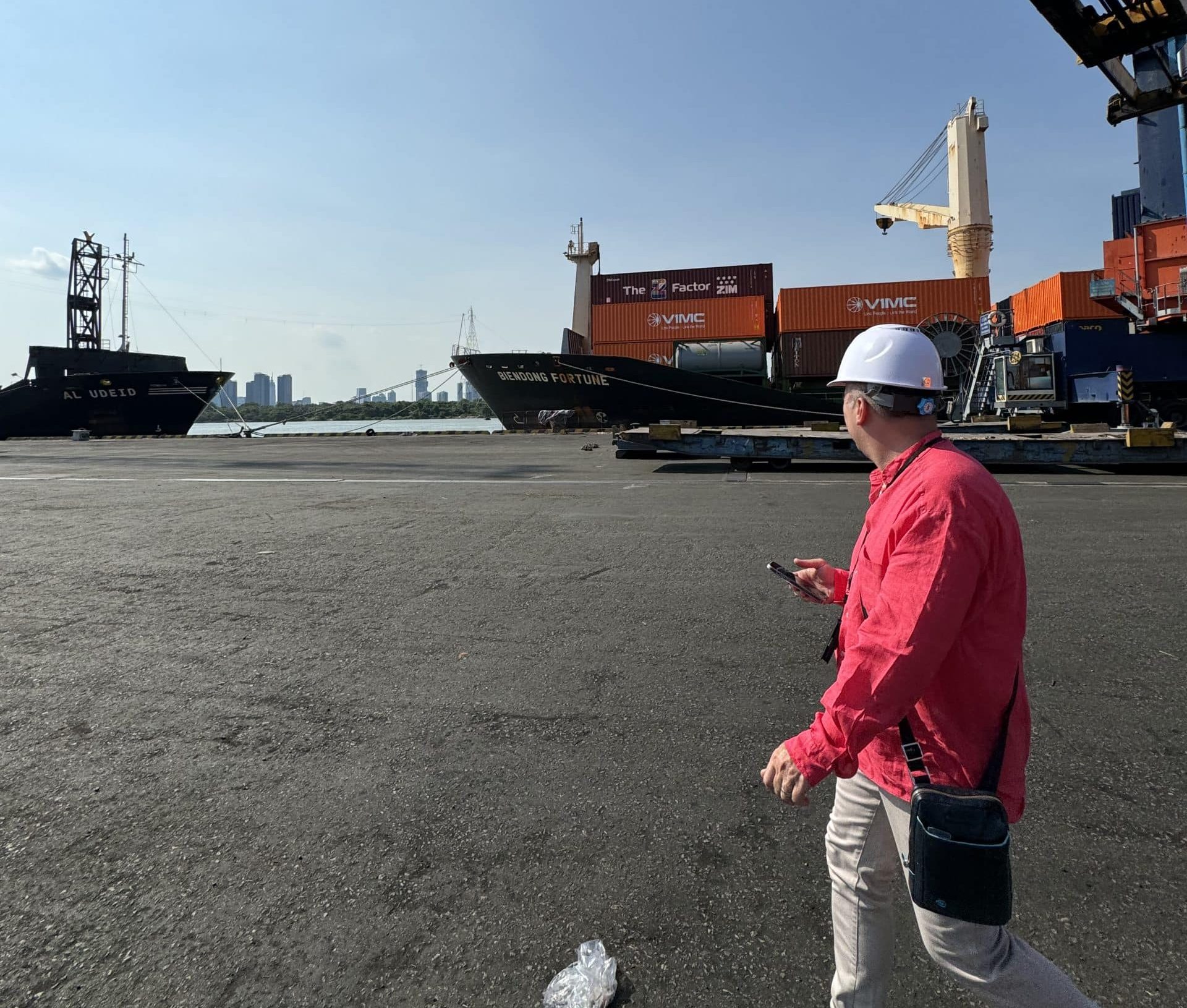
SVC Marine can attend the vessel from the buyer’s side to record visible condition, observe practical handover items, track documents physically received, note outstanding matters and report immediate post-delivery actions.
SVC Marine’s field attendance does not replace the buyer’s lawyers, bank, insurer, class society, flag administration or contractual decision-makers. Legal completion and acceptance of delivery remain subject to the MOA and the responsible parties.
A Vessel Delivery Contains Three Different Handover Streams
These streams run at the same time but are not the same event. Treating them as one list is how buyers end up with title but without the records, assets and knowledge needed to operate.
Documentary and Contractual Handover
- Protocol of Delivery and Acceptance
- Bill of Sale
- Deletion or registry documents
- Corporate and seller documents
- Class and statutory certificates
- Manuals, drawings and technical records
- Maintenance and service records
- Inventory and spare-parts lists
SVC Marine may track physical receipt and document status. Legal sufficiency, authenticity and contractual acceptance must be reviewed by the buyer’s legal and professional advisers.
Physical Vessel and Asset Handover
- Visible vessel condition
- Loose equipment
- Deck and engine stores
- Spare parts
- Tools
- Safety equipment
- Manuals onboard
- Bunkers
- Lube oil
- Provisions
- Keys and access items
Operational Control Handover
- Seller crew to buyer crew handover
- Machinery operating status
- Alarm and defect briefing
- Bridge and engine-room familiarisation
- Class and survey items
- Port and agent status
- Immediate repair actions
- Departure readiness
A delivery is incomplete from an operational perspective when the buyer receives title but does not receive the information, equipment and readiness needed to control the vessel safely.
Vessel Delivery Control Timeline
-
T-14 DaysDelivery Framework
-
T-7 DaysReadiness Review
-
T-24 HoursFinal Attendance Plan
-
Delivery DayPhysical Handover
-
T+24 HoursImmediate Control
-
First VoyageTrading Readiness
What Must Be Prepared Before the Vessel Is Delivered?
Parties and Authority
- Buyer representatives
- Seller representatives
- Broker
- Lawyers
- Agent
- Class
- Flag
- New manager
- New master and chief engineer
- Local SVC Marine attendance team
Delivery Basis
- Delivery place
- Delivery window
- Notices
- MOA clauses relevant to field attendance
- Seller rectification items
- Inspection conditions
- Inventory basis
- Bunker and lube oil basis
Crew Transition
- Sign-off plan
- Sign-on plan
- Immigration
- Visas
- Transport
- Medical and certificates
- Accommodation
- Joining time
- Handover overlap
Technical Readiness
- Known defects
- Open class items
- Critical alarms
- Main machinery status
- Required repair teams
- Required spares
- Delivery-voyage limitations
Local Logistics
- Port access
- Agent
- Launch or transport
- Stores
- Provisions
- Bunkers
- Waste disposal
- Repair attendance
- Communication equipment
Reporting
- Delivery checklist
- Photograph requirements
- Inventory record
- ROB record
- Open-item register
- Daily update
- Final handover report
Documents and Records Tracked During Handover
The ledger below is the tracking format, not a completed record. Document sets vary by transaction, MOA, flag, registry and legal structure.
| Category | Typical records | SVC Marine field role | Reviewing party |
|---|---|---|---|
| Transaction Documents |
|
Record whether each item was presented and physically received, original or copy. | Buyer’s lawyers and bank |
| Vessel Certificates |
|
Track presence, validity dates shown and items not presented at attendance. | Class, flag and manager |
| Technical Records |
|
Confirm what is physically onboard or handed over, list what is missing. | Buyer’s technical team |
| Operational Records |
|
Record handover status and note gaps against the agreed list. | Master and new manager |
SVC Marine reports whether an item was physically presented or received. It does not certify legal validity, completeness or title effect.
What Should Be Recorded at Physical Handover?
Condition Record Items
- General exterior condition
- Deck condition
- Cargo-space condition where accessible
- Engine-room condition
- Bridge condition
- Accommodation condition
- Visible damage
- New defects since pre-purchase inspection
- Equipment missing or removed
- Loose items not onboard
- Temporary repairs
- Active leaks or alarms
- Outstanding repair areas
- Seller rectification status
Why It Is Compared, Not Just Described
A delivery condition record is only useful if each item is placed against what was known at the pre-purchase inspection stage. That comparison is what turns an observation into an actionable claim, a negotiation point or a post-delivery repair item.
Related: Pre-Purchase Vessel Inspection.
Consistent With Earlier Inspection
No material visible change identified within the delivery attendance scope.
Changed Since Inspection
New damage, deterioration, removal or operational issue identified.
Not Previously Inspected
The item was inaccessible, unavailable or outside the earlier scope.
The delivery condition record is based on visible and accessible condition during the agreed attendance period. It is not a full re-inspection unless separately appointed.
Physical Asset Handover
Items Covered by the Inventory Ledger
Status Applied to Each Line
Observation of onboard items does not automatically establish ownership, value, contractual compliance or serviceability.
ROB Observation and Quantity Handover
Bunkers and remaining lubricating oils may form a separate financial settlement under the MOA. The buyer should clearly distinguish onboard observation, quantity measurement, price calculation and contractual acceptance.
Possible Field Scope
- Tank sounding attendance
- Meter record where available
- Bunker-delivery records
- ROB calculation
- Fuel grade
- Lube-oil quantity
- Sampling where separately agreed
- Photographic evidence
- Quantity comparison
- Difference reporting
Observation Is Not a Certified Quantity
An attended sounding recorded during delivery is a field observation. A figure that will be relied upon for settlement requires an agreed measurement method and, where required, a properly appointed bunker survey.
SVC Marine does not describe an observed ROB as a certified quantity unless a properly appointed bunker survey and agreed measurement method are used.
Transfer of Operational Knowledge
A new crew may receive the vessel shortly before departure. The handover should therefore capture known defects, operating limitations, alarm history, pending maintenance, unusual system arrangements and critical machinery procedures.
Bridge
- Navigation equipment
- ECDIS and chart status
- GMDSS
- Passage planning
- Current voyage status
- Bridge alarms
- Security arrangements
Engine Room
- Main engine
- Auxiliary engines
- Boilers
- Purifiers
- Pumps
- Automation
- Active alarms
- Current defects
- Bunker and lube-oil status
Deck and Cargo
- Hatch covers
- Cranes
- Mooring equipment
- Cargo systems
- Ballast system
- Deck machinery
- Known restrictions
Safety and Emergency
- LSA
- FFE
- Emergency generator
- Fire plan
- Muster arrangements
- Lifeboats
- Pending service items
SVC Marine may follow the handover process and report gaps. The vessel’s master, officers, manager and responsible technical personnel remain responsible for formal operational control and familiarisation.
Records That Are Easy to Miss
Digital and Technical Data Handover
Security Notice
Sensitive credentials, banking information, software access and personal data should be transferred only through an approved secure method.
SVC Marine does not receive, hold or transfer passwords or personal credentials unless expressly authorized in writing and handled through a method approved by the buyer.
Technical and Statutory Readiness During Ownership Change
Items Tracked at Field Level
SVC Marine can attend, track local actions and report status. Final issuance, acceptance and legal effect remain with class, flag, insurer, registry and the appointed professional parties.
What Must Not Disappear After Delivery?
Every unresolved item is entered in an open-item register with a source, an owner and a required action. The register format is shown below — it is not a completed record for any vessel.
| Register field | What it captures |
|---|---|
| Item | The specific unresolved matter, described in operational terms. |
| Source |
|
| Seller responsibility | What the seller has undertaken or is contractually expected to close. |
| Buyer responsibility | What passes to the buyer at or after delivery. |
| Status at delivery |
|
| Required action | The specific next step, not a general intention. |
| Deadline | Before sailing, during delivery voyage, or planned drydock. |
| Responsible party | Named party — seller, buyer, manager, class, yard, agent or vendor. |
| Evidence | Photograph, document, report, class record or service certificate. |
| Close-out status | Open, in progress, evidenced or closed. |
An unresolved item should not be lost merely because the delivery protocol has been signed.
The First 24–72 Hours After Delivery
Possible Immediate Actions
Must Close Before Sailing
Safety, statutory, class, port-clearance or essential machinery matters.
Can Close During Delivery Voyage
Non-critical items permitted by the responsible parties and operating plan.
Planned Drydock Scope
Items requiring yard access, underwater work, heavy steel renewal or major survey.
When Delivery Leads Directly to Repair
Many second-hand vessels are delivered with known defects, upcoming surveys or repair items already reflected in the purchase decision. Delivery planning should therefore connect directly to the first repair and readiness work package.
First Work Package
What the Buyer Receives
Delivery Reporting Pack
- Delivery readiness checklist
- Attendance timeline
- Document handover ledger
- Physical-condition photographs
- Inventory observations
- Spare-parts and loose-equipment record
- ROB observation or bunker-survey record
- Crew handover status
- Class and flag action list
- Open-item register
- Immediate repair list
- Departure-readiness status
- Final buyer-side delivery report
Report Status System
The deliverable is a buyer-side field record. It is not a certificate of delivery and carries no contractual or legal effect of its own.
Common Risks During Vessel Delivery
Document Risk
- Missing originals
- Incomplete certificates
- Unclear deletion status
- Missing manuals
- Missing maintenance records
Physical Asset Risk
- Removed equipment
- Missing spares
- Inventory differences
- Damaged loose equipment
- Missing tools
ROB Risk
- Disputed quantities
- Inconsistent sounding
- Different fuel grades
- Unclear price basis
- Missing supply records
Crew and Operational Risk
- Delayed crew
- Weak familiarisation
- Unknown alarms
- Incomplete machinery handover
- Insufficient stores
Class and Flag Risk
- Pending surveys
- Open recommendations
- Delayed interim certificates
- Marking and registry issues
- Insurance conditions
Repair and Sailing Risk
- New defect at delivery
- Urgent repair
- Port-clearance delay
- Critical spares missing
- Delivery voyage not ready
The objective is not to claim that every risk can be removed. It is to make unresolved exposure visible before it becomes an unmanaged buyer problem.
Transaction Followed Through Physical Execution
ZBM
SVC Marine was involved in the ZBM vessel transaction and remained involved through post-purchase drydock execution, owner-side attendance, repair follow-up and vessel-side report sign-off.
Recent Transactions
Selected vessel transaction, delivery, repair and drydock execution records.
Case Studies
Field execution records covering repair scope control, technical attendance and supply delivery at Vietnamese ports and shipyards.
What to Send Before Vessel Delivery
Vessel
- Vessel name
- IMO number
- Vessel type
- Year built
- Flag
- Class
- Current location
Transaction
- Expected delivery place
- Delivery window
- Buyer and seller contacts
- Broker
- Lawyers
- Agent
- Relevant MOA delivery terms
- Delivery-document checklist
Attendance Scope
- Onboard attendance period
- Condition record
- Inventory
- Bunkers
- Lube oil
- Documents
- Crew handover
- Class and flag
- Repair planning
- Required reports
Operational Preparation
- New manager
- New master
- Crew joining plan
- Bunker requirement
- Provision requirement
- Spare-parts requirement
- Repair requirement
- Intended departure date
- First voyage
Field Attendance Does Not Replace Contractual Authority
SVC Marine Does Not Replace
- Buyer
- Seller
- Transaction lawyers
- Bank
- Escrow agent
- Classification society
- Flag administration
- Registry
- Insurer
- Ship manager
- Master
- Port authority
- Compliance adviser
SVC Marine performs practical buyer-side delivery attendance and handover reporting within the agreed mandate.
SVC Marine personnel do not sign the Protocol of Delivery and Acceptance or legally accept the vessel unless expressly authorized through a clear written mandate approved by the buyer and its advisers.
Final ownership transfer, contractual delivery, legal document acceptance, payment release, mortgage discharge, flag registration, class acceptance and insurance approval remain with the responsible parties.
Where This Page Sits in the SVC Marine Service Chain
Before Delivery
At Delivery
- Vessel Delivery & Handover — current page
- Owner’s Representative
- Bunker Survey
After Delivery
Evidence
Frequently Asked Questions
What is vessel delivery and handover?
It is the transition stage when the seller transfers the vessel to the buyer under the MOA. It may include delivery documents, physical vessel control, inventories, spares, bunkers, lube oil, manuals, records and crew handover.
Can SVC Marine attend delivery for the buyer?
Yes. Subject to an agreed written mandate, SVC Marine can attend the vessel, record practical handover items and report outstanding matters to the buyer.
Can SVC Marine sign the delivery protocol?
Only where SVC Marine has received clear written authority approved by the buyer and its advisers. Normal field attendance does not automatically include authority to legally accept delivery.
Does SVC Marine legally verify the delivery documents?
No. SVC Marine may track presentation and physical receipt. Legal sufficiency, authenticity and contractual acceptance should be reviewed by the buyer’s lawyers and responsible advisers.
Can SVC Marine check bunkers and lube oil?
SVC Marine may observe or follow quantity checks. A formal ROB or bunker quantity should use an agreed measurement method and, where required, a properly appointed bunker survey.
Can SVC Marine check inventories and spare parts?
Yes. Available items may be observed against the agreed inventory or handover list. Serviceability, ownership and contractual compliance may require further verification.
Can SVC Marine attend the crew handover?
Yes. SVC Marine can follow the transition between seller’s crew and buyer’s crew and report missing information or readiness gaps.
Can SVC Marine handle crew change?
SVC Marine can handle or follow local crew-change arrangements, subject to immigration, visa, port, agent and vessel requirements.
Can SVC Marine arrange provisions and bonded stores?
Yes, subject to local availability, customs, port procedures and the vessel’s requisition. Dedicated Halal provision packages may be arranged for Muslim crews.
Can SVC Marine arrange repair immediately after delivery?
Yes. SVC Marine can connect the delivery defect list with afloat repair, spare parts, class attendance or drydock planning in Vietnam.
Is the delivery condition record a new pre-purchase inspection?
Not automatically. It is normally a focused record of visible condition and material changes at delivery. A full re-inspection requires a separately agreed scope.
What happens if an item is missing at delivery?
The item should be recorded, photographed where appropriate, assigned a status and reported immediately to the buyer and its advisers. The contractual response depends on the MOA and the responsible parties.
Can SVC Marine attend delivery outside Vietnam?
Selected regional delivery attendance may be considered depending on vessel location, timing, travel, access and the agreed mandate.
Control the Handover · Protect the Transition
Request Buyer-Side Vessel Delivery Attendance
Send the vessel name, IMO number, delivery location, expected date, MOA delivery basis, attendance scope, crew plan, document checklist and known open items. SVC Marine will review the required field attendance and post-delivery readiness work.
shipbroker@svcmarine.com · operation@svcmarine.com · +84 988 701 231