SVC Marine — Underwater Condition & Biofouling Control
Underwater Inspection & Hull Cleaning in Vietnam
SVC Marine handles underwater inspection, hull cleaning, propeller polishing, sea chest cleaning and underwater condition reporting for vessels calling Vietnamese ports, anchorages and shipyards.
We define the underwater scope, arrange qualified diving attendance, follow vessel-side access and safety requirements, collect photo and video evidence, report visible findings and connect abnormal conditions with repair, class or drydock action where required.
Biofouling, propeller roughness, blocked sea chests, rope entanglement, damaged underwater fittings or suspected contact may affect vessel performance, cooling-water intake, class status or sailing readiness.
shiprepair@svcmarine.com · inspection@svcmarine.com · operation@svcmarine.com · +84 988 701 231
- UWI
- Hull Cleaning
- Propeller Polishing
- Sea Chest Cleaning
- Damage Check
- Photo & Video Evidence
Illustrative format, not a vessel result
Bow
- Bulbous bowLight fouling
- Draft marksHeavy fouling
Bottom
- Bottom shellLight fouling
- Bilge keelNot visible
- AnodesClear
Midship
- Side shellClear
- Sea chestHeavy fouling
- GratingsPartially cleaned
Stern
- PropellerCleaned
- RudderCoating damage
- Shaft areaEntanglement
- Rope guardSpecialist review
Optional — Where Fitted
- Thruster tunnelNot visible
- Tunnel gridsVisible damage — class review
- Scope
- Permission & safety
- Dive team
- Evidence
- Classification
- Action
- Close-out
Every zone carries its own status. An area recorded as not visible is never reported as satisfactory.
What Is an Underwater Vessel Inspection?
An underwater vessel inspection is a visual examination of submerged hull areas and underwater fittings while the ship remains afloat. Depending on the agreed scope and diving conditions, it may include the hull bottom, side shell, propeller, rudder, sea chests, gratings, bilge keels, draft marks, thruster tunnels, anodes and other visible underwater appendages.
The inspection may provide photo and video evidence of biofouling, visible damage, coating condition, rope or net entanglement, propeller condition, sea chest blockage or other abnormalities.
A diver visual inspection does not automatically replace drydock inspection, NDT, ultrasonic thickness measurement or an official class survey. Findings requiring technical or statutory acceptance remain subject to the responsible owner, manager, class, flag, insurer or authority.
SVC Marine is not a classification society, an environmental authority or a party guaranteeing propulsion performance improvement. Its role is scope control, diving attendance, evidence and technical follow-through.
What Areas Can Be Inspected Underwater?
Hull Bottom & Side Shell
Inspect for
- Biofouling
- Coating damage
- Visible deformation
- Contact marks
- Scratches
- Local damage
- Marine growth
Propeller
Inspect for
- Fouling
- Surface roughness
- Rope or net entanglement
- Visible blade damage
- Missing material
- Cavitation marks
- Boss-area condition
Visual inspection cannot confirm internal shaft or bearing condition.
Rudder & Steering Area
Inspect
- Rudder plate
- Rudder edges
- Visible deformation
- Rope entanglement
- Rudder stock external area where visible
- Gap or clearance observations where practical
Sea Chests & Gratings
Inspect
- Fouling
- Blockage
- Grid condition
- Marine growth
- Visible damage
Bilge Keel & Appendages
Inspect
- Bilge keel
- Skeg
- Anodes
- Rope guards
- Sensors
- Other visible fittings
Thrusters & Draft Marks
Where applicable
- Tunnel
- Grid
- Thruster propeller
- Fouling
- Visible damage
- Draft mark visibility
- Draft mark paint condition
- Readability
How Underwater Findings Should Be Reported
Biofouling
- Slime
- Microfouling
- Weed
- Barnacles
- Shell growth
- Heavy macrofouling
Formal fouling ratings are only quoted where that reporting method is actually applied.
Coating Condition
- Intact
- Worn
- Scratched
- Local breakdown
- Exposed steel
- Damage around appendages
Physical Damage
- Dent
- Deformation
- Blade damage
- Missing material
- Contact mark
- Damaged grid
- Loose fitting
Foreign Object / Entanglement
- Rope
- Fishing net
- Plastic
- Wire
- Other obstruction
Visibility Limitation
- Low water visibility
- Strong current
- Shadowed area
- Marine growth blocking visual assessment
- Unsafe diver access
“Not visible” must never be reported as “satisfactory”.
Underwater Visual Inspection — Before Any Cleaning Decision
Inspection Scope
Evidence Required Where Conditions Permit
- Video
- Still photographs
- Diver narration or comments
- Location references
- Time and vessel position
- Scope-completion record
Visibility, current, depth and vessel movement directly affect evidence quality. Where image quality is degraded, this is recorded as a limitation rather than presented as a clean result.
Hull Cleaning Is Not Only a Performance Job
Biofouling can increase hydrodynamic resistance and may affect vessel efficiency, but in-water cleaning must also consider coating condition, environmental restrictions, invasive-species risk, port permission and waste-management requirements.
Current IMO Framework
The IMO 2023 Biofouling Guidelines, resolution MEPC.378(80), provide a global framework for controlling and managing ship biofouling to reduce the transfer of invasive aquatic species. In 2025, IMO also approved MEPC.1/Circ.918, Guidance on in-water cleaning of ships’ biofouling.
This guidance does not itself make in-water cleaning mandatory, nor does it authorise any particular cleaning method in any particular port.
Good-Practice Considerations
- Pre-cleaning inspection
- Fouling condition
- Anti-fouling coating condition
- Niche areas
- Cleaning method
- Potential coating damage
- Release of removed biofouling or coating material
- Local authority restrictions
- Post-cleaning inspection
- Record keeping
What Must Be Checked Before Hull Cleaning Starts?
- Port rules
- Anchorage rules
- Environmental restrictions
- Required approvals
- Draft
- Trim
- Propeller status
- Machinery status
- Overboard discharges
- Sea suction operation
- Current
- Visibility
- Weather
- Sea state
- Vessel movement
- Traffic
- Safe access
- Location
- Type
- Density
- Niche areas
- Propeller
- Sea chests
- Anti-fouling coating
- Existing damage
- Risk of coating removal
- Owner instructions
- Hull brush or approved cleaning method
- Propeller tool
- Sea chest method
- Capture requirement where applicable
- Area-specific restrictions
- Before-cleaning video
- During-work evidence
- After-cleaning video
- Owner report
- Class witness if applicable
Selected Hull Cleaning While Afloat
Possible Work
Cleaning feasibility and permitted method depend on local regulations, port permission, environmental requirements, coating condition and diving safety. Full hull cleaning is not available in every port and is never assumed before the location has been checked.
Propeller Cleaning & Polishing
Propeller polishing removes fouling and surface deposits from accessible blade surfaces and may help restore a smoother propeller surface where fouling or roughness is present.
Scope
- Pre-work propeller video
- Blade condition check
- Fouling removal
- Polishing
- Boss-area cleaning
- Rope-guard observation
- Rudder-area check
- Post-work video
If an Abnormality Is Found
No fixed fuel-saving percentage is quoted, and polishing is not represented as automatically restoring design efficiency. Actual vessel performance depends on hull, machinery, weather and operational factors outside the scope of an underwater job.
Cooling-Water Intake Condition
Sea chest and grid fouling can restrict external seawater flow and may contribute to cooling-water problems. External cleaning must be planned with the vessel’s engine department because sea suction arrangements and machinery operation affect diving safety.
Possible Scope
- External grid inspection
- Fouling assessment
- Grid cleaning
- Marine-growth removal
- Before and after evidence
- Visible damage observation
Vessel-Side Controls
- Chief engineer confirmation
- Sea suction status
- Pump status
- Isolation requirements
- Diver communication
- Machinery restrictions during work
External cleaning does not confirm internal sea-chest condition.
After Grounding, Contact or Abnormal Vibration
Possible Triggers
- Suspected grounding
- Berth contact
- Floating-object impact
- Propeller vibration
- Steering issue
- Rope or net entanglement
- Cooling-water issue
- Suspected underwater hull damage
Priority Inspection Zones
- Suspected contact area
- Bottom shell
- Bilge keel
- Propeller
- Rudder
- Sea chest
- Thruster
- Appendages
Finding Classification
- No visible abnormality within inspected area
- Visible coating damage
- Visible deformation
- Structural concern
- Propeller damage
- Rudder concern
- Entanglement
- Further survey required
A limited visual inspection is never reported as “no damage”. The wording used is: no visible abnormality observed within the inspected and visible area.
When Class Surveyor Attendance Is Required
Class-Related Requirements May Include
- Approved diving contractor
- Specific video quality
- Continuous communication
- Class surveyor attendance
- Defined inspection sequence
- Measurement references
- Additional cleaning
- Further testing
- Drydock recommendation
What SVC Marine Handles
- Review local feasibility
- Arrange appropriate diving attendance
- Prepare access
- Follow vessel-side arrangements
- Collect evidence
- Attend locally
- Follow class surveyor instructions
- Report open items
Final class acceptance remains with the classification society. An SVC Marine underwater inspection is not described as UWILD unless the class-specific requirements for that vessel and survey have been verified.
See an SVC Marine Underwater Project
Field footage published on the official SVC Marine YouTube channel. The player loads only when you press play.
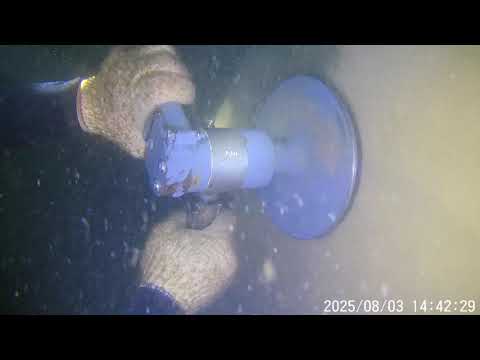
Propeller Polishing Service in Vietnam | SVC Marine Underwater Support
Propeller polishing for merchant vessels calling Vietnamese ports and shipyards, removing marine growth, roughness and surface deposits from the propeller.

Underwater Plugging Scrubber Overboard Pipes
Diver attendance for underwater plugging of scrubber overboard pipes — an example of afloat underwater work carried out on the vessel’s submerged fittings.
Underwater Inspection & Cleaning Records
OS KANO 35 — UWC Records
Published record covering underwater cleaning, inspection, propeller polishing, CCTV and video footage, before and after photographs and the diving report.
Vissai / Cua Lo — UWI & UWC
Underwater cleaning and underwater inspection carried out at Vissai, Cua Lo, Vietnam.
PW ZETA — UWI Reports
Underwater inspection reporting for tugboat and commercial vessel applications.
What the Owner Should Receive
Before Work
- Fouling condition
- Propeller condition
- Sea chest condition
- Coating observations
- Abnormal findings
- Visibility limitations
During Work
- Scope progress
- Areas cleaned
- Access limitations
- Diver comments
- New abnormal findings
After Work
- Cleaned area evidence
- Propeller condition
- Sea chest condition
- Remaining fouling
- Damage still visible
- Further action
- Report completion
Status Applied to Each Area
What Happens After the Diver Reports an Abnormality?
Fouling Only
- Clean if permitted
- Monitor
- Record in biofouling management documentation
Rope / Net Entanglement
- Removal if safe and permitted
- Inspect propeller and rudder after removal
Coating Damage
- Record
- Monitor
- Drydock coating repair
- Review anti-fouling system
Propeller Damage
- Technical review
- Class or insurer review
- Blade measurement
- Repair planning
- Drydock if necessary
Structural Damage
- Class notification
- Further inspection
- UTM or NDT
- Temporary or permanent repair planning
- Drydock
Sea Chest Damage / Blockage
- Cleaning
- Machinery monitoring
- Further inspection
- Repair
An underwater video is evidence, not the final engineering decision.
When Underwater Work Should Move to Drydock
Possible Triggers
Underwater Evidence During Vessel Acquisition
What Underwater Inspection May Reveal for a Buyer
- Fouling condition
- Propeller damage
- Rudder condition
- Grounding evidence
- Hull coating
- Sea chest
- Appendages
- Visible bottom damage
Where It Fits
Underwater inspection should supplement, not replace, a full pre-purchase inspection or drydock survey. It is normally treated as an optional module within a wider buyer-side scope.
Can Underwater Work Be Done at Any Vietnam Port?
No. Underwater inspection and cleaning depend on the individual location, vessel position, environmental restrictions, port permission and safe diving conditions. The areas below are representative operating areas, not a statement of unconditional availability.
Representative Operating Areas
- Hai Phong
- Hon Gai
- Cai Lan
- Cam Pha
- Nghi Son
- Cua Lo
- Vung Ang
- Son Duong
- Dung Quat
- Da Nang
- Ho Chi Minh City
- Cai Mep – Thi Vai
- Vung Tau
Checked for Every Enquiry
- Port permission
- Berth or anchorage position
- Current
- Tide
- Underwater visibility
- Weather
- Vessel movement
- Launch access
- Environmental restrictions
- Class attendance requirement
- Vessel schedule
What to Send Before Diver Mobilization
Vessel
- Vessel name
- IMO number
- Vessel type
- LOA and beam
- Draft
- Flag
- Class
Location
- Port
- Berth or anchorage
- ETA
- ETB
- ETD
- Agent
Scope
- UWI
- UWC
- Hull cleaning
- Propeller polishing
- Sea chest cleaning
- Draft mark cleaning
- Damage inspection
- Rope removal
- Class-related inspection
Inspection Areas
- Hull bottom
- Side shell
- Propeller
- Rudder
- Sea chest
- Bilge keel
- Thruster
- Draft marks
- Suspected damage area
Evidence Required
- Video
- Photos
- Before and after
- Diver comments
- Class-format recording
- Owner report
Technical Context
- Reason for attendance
- Known defect
- Grounding or contact
- Performance issue
- Cooling-water issue
- Class requirement
- Pre-purchase
- Drydock planning
No Diving Work Without a Controlled Work Window
Controls That May Apply
- Diving risk assessment
- Toolbox talk
- Vessel permission
- Port permission
- Diver communication
- Standby diver
- Propeller immobilization
- Thruster immobilization
- Main-engine status
- Sea suction status
- Overboard discharge restrictions
- Lock-out / tag-out where applicable
- Weather
- Current
- Visibility
- Emergency plan
Underwater work remains subject to the diving contractor’s approved safety system and the vessel and port requirements. The list above is indicative, not a universal safety procedure.
SVC Marine does not replace the appointed diving supervisor or the diving contractor’s safety responsibility.
In-Water Cleaning Must Protect More Than Vessel Performance
IMO’s 2023 Biofouling Guidelines aim to minimize the transfer of invasive aquatic species through ship biofouling.
In 2025, IMO approved MEPC.1/Circ.918, Guidance on in-water cleaning of ships’ biofouling, addressing safe and environmentally responsible planning and cleaning, including pre- and post-cleaning inspection, coating risk, environmental risk, record keeping and reporting.
Local port and national requirements ultimately determine whether a particular in-water cleaning operation is permitted.
IMO guidance does not universally authorize any cleaning method, and capture is not automatically required for every system — that depends on the applicable authority and the method used.
Why Use SVC Marine for Underwater Work in Vietnam?
Scope Before Mobilization
The team receives defined underwater areas, purpose and evidence requirements before diver mobilisation.
Owner-Side Evidence
Owners receive practical photo, video, diver comments and completion status where conditions permit.
Technical Follow-Through
Abnormal underwater findings can be connected with repair, class follow-up or drydock planning.
Local Vessel Attendance
SVC Marine can attend locally where required rather than relying only on diver messages.
Wider Repair Capability
Underwater findings connect with ship repair, steel work, spare parts, drydock, superintendent attendance and owner’s representative work.
Where This Page Sits in the SVC Marine Service Chain
Repair & Drydock
Inspection & Attendance
- Underwater Inspection & Hull Cleaning — current page
- Pre-Purchase Vessel Inspection
- Marine Technical Superintendent
- Owner’s Representative
- RightShip Pre-Inspection
- Port Captaincy & Bunker Survey
- Vessel Delivery & Handover
Evidence
Frequently Asked Questions
Does SVC Marine provide underwater inspection in Vietnam?
Yes. SVC Marine handles underwater inspection using qualified local diving resources and provides owner-side field attendance, evidence collection and reporting subject to port permission and safe diving conditions.
What parts of a vessel can be inspected underwater?
Depending on accessibility and visibility, the scope may include the hull bottom, side shell, propeller, rudder, sea chest, bilge keel, thruster tunnel, anodes, draft marks and underwater fittings.
Is an underwater inspection the same as a drydock survey?
No. An afloat underwater inspection provides visual evidence of accessible submerged areas. It does not automatically replace drydock inspection, thickness measurement, NDT or class survey.
Can SVC Marine provide underwater video?
Yes, where diving conditions and visibility allow.
Can SVC Marine clean the hull at anchorage?
Possibly. Permission, environmental restrictions, weather, current, visibility and diving safety must be checked for the specific anchorage.
Can SVC Marine polish the propeller?
Yes, where permitted and technically suitable.
Does propeller polishing guarantee fuel savings?
No. It may reduce roughness and fouling, but actual vessel performance depends on many hull, machinery, weather and operational factors.
Can SVC Marine clean sea chests?
External sea chest and grid cleaning may be arranged where permitted and safe. Vessel machinery and sea-suction conditions must be controlled with the engine department.
Can SVC Marine inspect damage after grounding?
Yes, underwater visual inspection may help identify visible damage after suspected grounding or contact. Serious findings should be reviewed with class, insurer and technical specialists.
Can SVC Marine arrange class-related underwater inspection?
SVC Marine can arrange local diving attendance and follow class-surveyor requirements. Final class acceptance remains with the classification society.
What are the IMO Biofouling Guidelines?
The IMO 2023 Biofouling Guidelines provide a global approach to managing ship biofouling to reduce the transfer of invasive aquatic species.
Is hull cleaning allowed at every Vietnamese port?
No. Local port and environmental requirements differ and must be checked before mobilisation.
What should I send for a quotation?
Send vessel name, IMO, port, ETA and ETD, required underwater areas, reason for attendance, required video or report format and whether class attendance is involved.
See Below the Waterline · Act on the Evidence
Request Underwater Inspection or Hull Cleaning in Vietnam
Send the vessel details, location, ETA, underwater scope, suspected condition, required evidence and class requirement. SVC Marine will review local feasibility, diving access and the appropriate inspection or cleaning route.
shiprepair@svcmarine.com · inspection@svcmarine.com · operation@svcmarine.com · +84 988 701 231