Ship Repair
Steel, machinery, piping and onboard technical work.
Request repairRepair services
Home / Vietnam port coverage / Hai Linh Petroleum Port
SVC Marine · Ship Repair & Ship Supply
Published
Onboard repairs and vessel supplies for your port call. Send the berth or anchorage, ETA and your worklist or requisition to the relevant SVC team.
Find repair by portSteel, machinery, piping and onboard technical work.
Request repairRepair servicesProvisions, stores and technical spare parts for the vessel.
Request supplySupply servicesStart with the receiving location and vessel schedule, then send the requirement to the right team.
Port, terminal, berth or anchorage; ETA and ETD.
Defect, photographs and the available work window.
Items, quantities, units and preferred delivery date.
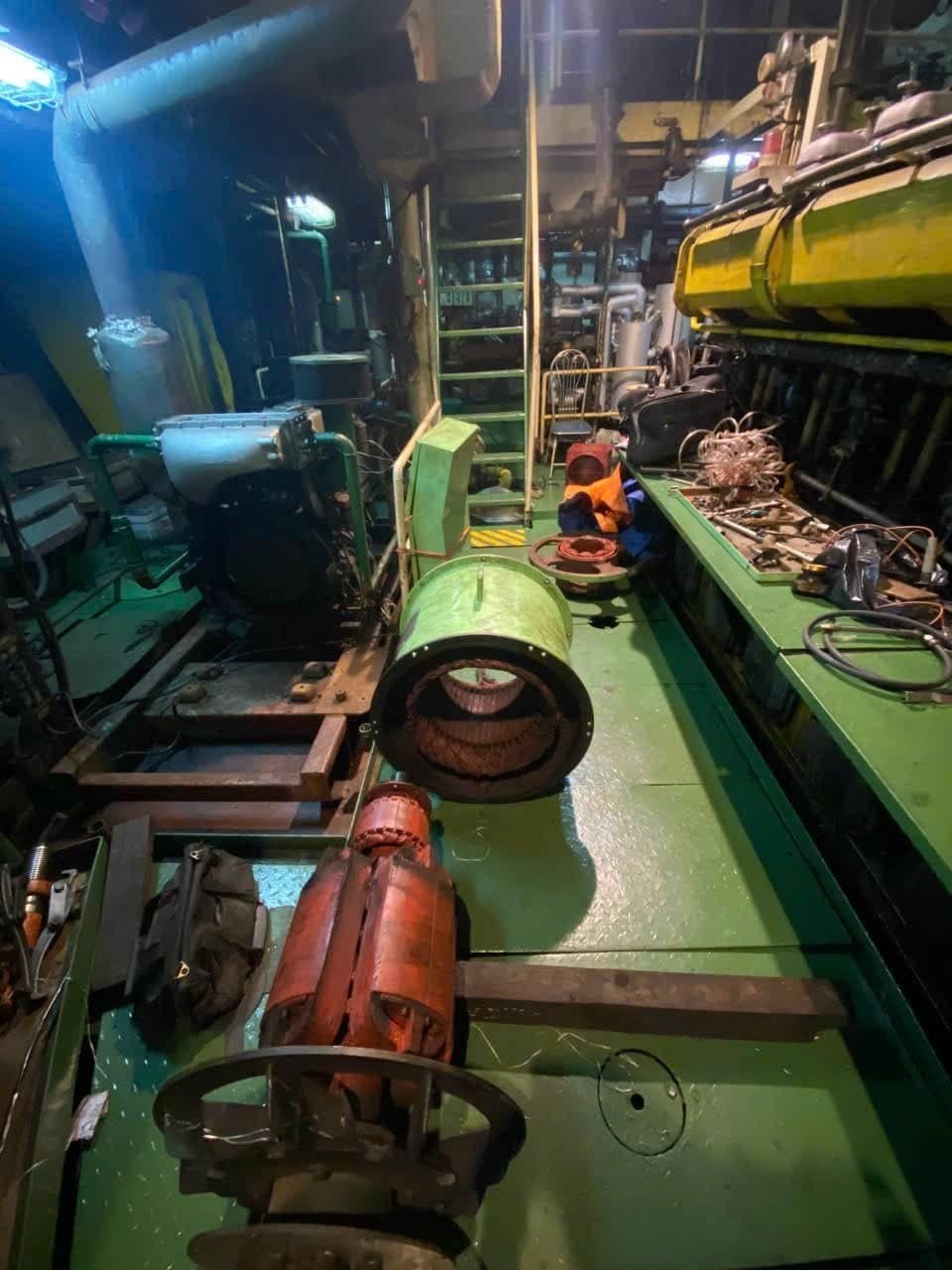
For a vessel calling at the Hai Linh liquid-cargo berth, send SVC Marine the actual berth or anchorage, ETA, repair defect or supply requisition and the available work window. SVC assesses the appointed vessel-side work and confirms what can be done after the terminal and vessel approve access.
01
The Vietnam Maritime and Waterway Administration lists this berth in the Hai Phong port area at Dam Mam, Ha Doan 2. Its listed operator is Hai Linh Hai Phong Petroleum One Member Co., Ltd. The published berth function is liquid cargo, including petroleum, liquefied gas and vegetable oil. That listing does not establish acceptance of every tanker, chemical cargo or proposed service operation.
The berth operator and appointed port agent confirm the actual call, cargo restrictions, entry route and work permission. A vessel-service enquiry does not itself secure a berth, cargo access or permission for hot work, diving or fuel transfer.
02
SVC works from the vessel's defect report, worklist or requisition. Its repair and supply teams perform an agreed scope after access and safety controls are confirmed. The terminal, agent, authorities, class and any licensed fuel-transfer provider retain their own decisions and duties.
03
Before confirming an onboard method, SVC needs the vessel and terminal's restrictions on access, isolation, gas safety, ignition sources, cargo operations and any surveyor attendance. SVC records the work it performs; a repair note or diving photograph is not a class certificate or a port permit.
04
SVC can assess the appointed defect and working window, then carry out the agreed vessel-side repair when the vessel and terminal permit access and the required isolation or hot-work controls are in place. Send the defect report, photographs and ETA first.
SVC can prepare the agreed attendance or delivery documents within an appointed scope, but it cannot grant access or customs approval. The legally authorised declarant, terminal and authorities make those decisions for the particular call.
Send the requisition, specification, quantity, receiving contact and delivery window. SVC checks and quotes the agreed supply scope and records handover where appointed. Fuel transfer and terminal operations remain with the authorised parties.
No. The public berth listing identifies liquid-cargo functions, including liquefied gas, but the operator and agent must confirm the vessel, cargo, berth and operating conditions for the actual call.
Send the repair worklist to shiprepair@