Ship Repair
Steel, machinery, piping and onboard technical work.
Request repairRepair services
Home / Vietnam port coverage / K99 Petroleum Terminal
SVC Marine · Ship Repair & Ship Supply
Published
Onboard repairs and vessel supplies for your port call. Send the berth or anchorage, ETA and your worklist or requisition to the relevant SVC team.
Find repair by portSteel, machinery, piping and onboard technical work.
Request repairRepair servicesProvisions, stores and technical spare parts for the vessel.
Request supplySupply servicesStart with the receiving location and vessel schedule, then send the requirement to the right team.
Port, terminal, berth or anchorage; ETA and ETD.
Defect, photographs and the available work window.
Items, quantities, units and preferred delivery date.
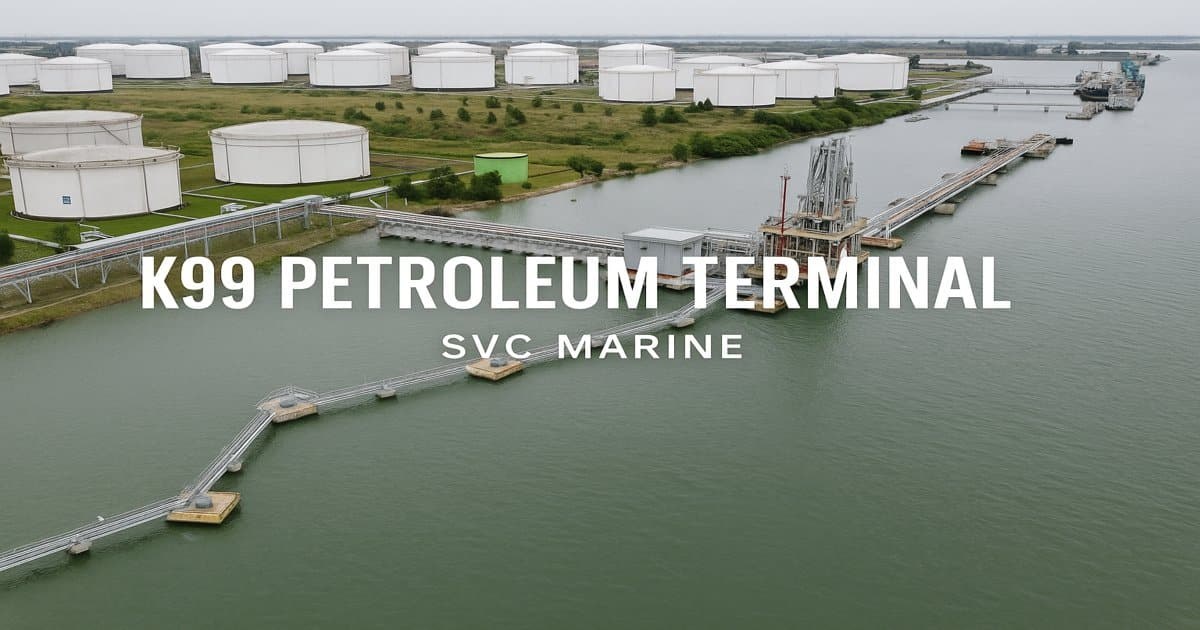
For an appointed vessel call at the K99 oil berth, send SVC Marine the confirmed berth or anchorage, ETA, defect report or supply requisition and available work window. SVC checks the vessel-side scope it can safely perform after the terminal and vessel confirm access.
01
The Vietnam Maritime and Waterway Administration lists K99 in the Ha Doan 2 area of Hai Phong as a liquid-cargo berth, with petroleum products, liquefied gas and vegetable oil among its published cargo examples. The listing does not establish crude-oil discharge, chemical-tanker acceptance, a particular cargo operation or a vessel-service permission for the next call.
Confirm the vessel, cargo, berth and transfer window with the berth operator and responsible port agent. SVC uses their confirmed information to plan its appointed onboard repair or supply; it does not operate the berth, approve vessel entry or control cargo transfer.
02
Send the exact machinery or piping defect, location, photographs, drawings, equipment details and previous checks before arrival. SVC reviews the method, tools, spares, personnel and work record needed. On a liquid-cargo berth, isolation, gas testing, hazardous-area restrictions, hot-work permits and concurrent cargo transfer can change what work is possible.
The master and terminal confirm the safe work window, access and permits; a surveyor or class may need to attend a particular repair. SVC quotes the agreed worklist and reports what its own team actually inspects or repairs, without promising an emergency completion time or a class outcome.
03
SVC personnel board and inspect an agreed vessel-side defect when access is authorised. The team can perform a permitted voyage repair or technical troubleshooting, arrange the agreed vessel supplies and record completed work. Every proposed task is assessed against the actual tanker, terminal and cargo operation.
04
SVC can assess an appointed vessel-side fault from the worklist, photographs, confirmed berth and available window. The method depends on terminal access, cargo-transfer status, isolation, hazardous-area rules and required permits; SVC confirms what it can perform after those are known.
The maritime authority lists K99 as a liquid-cargo berth and gives petroleum products, liquefied gas and vegetable oil as examples. It does not confirm a crude-oil discharge, a chemical-tanker call or the cargo for a particular vessel. Confirm acceptance with the operator and port agent.
Send the fault location, system and equipment details, drawings, photographs, previous checks, spares, isolation status, cargo-operation window and responsible contact. SVC can then assess the team, method and safe attendance rather than promise a repair before seeing the scope.
SVC records its appointed work and delivery and supplies those details to the responsible parties. The authorised declarant, agent, terminal and authorities control formalities and approvals; SVC does not approve vessel entry or customs clearance.
Send the repair worklist to shiprepair@